
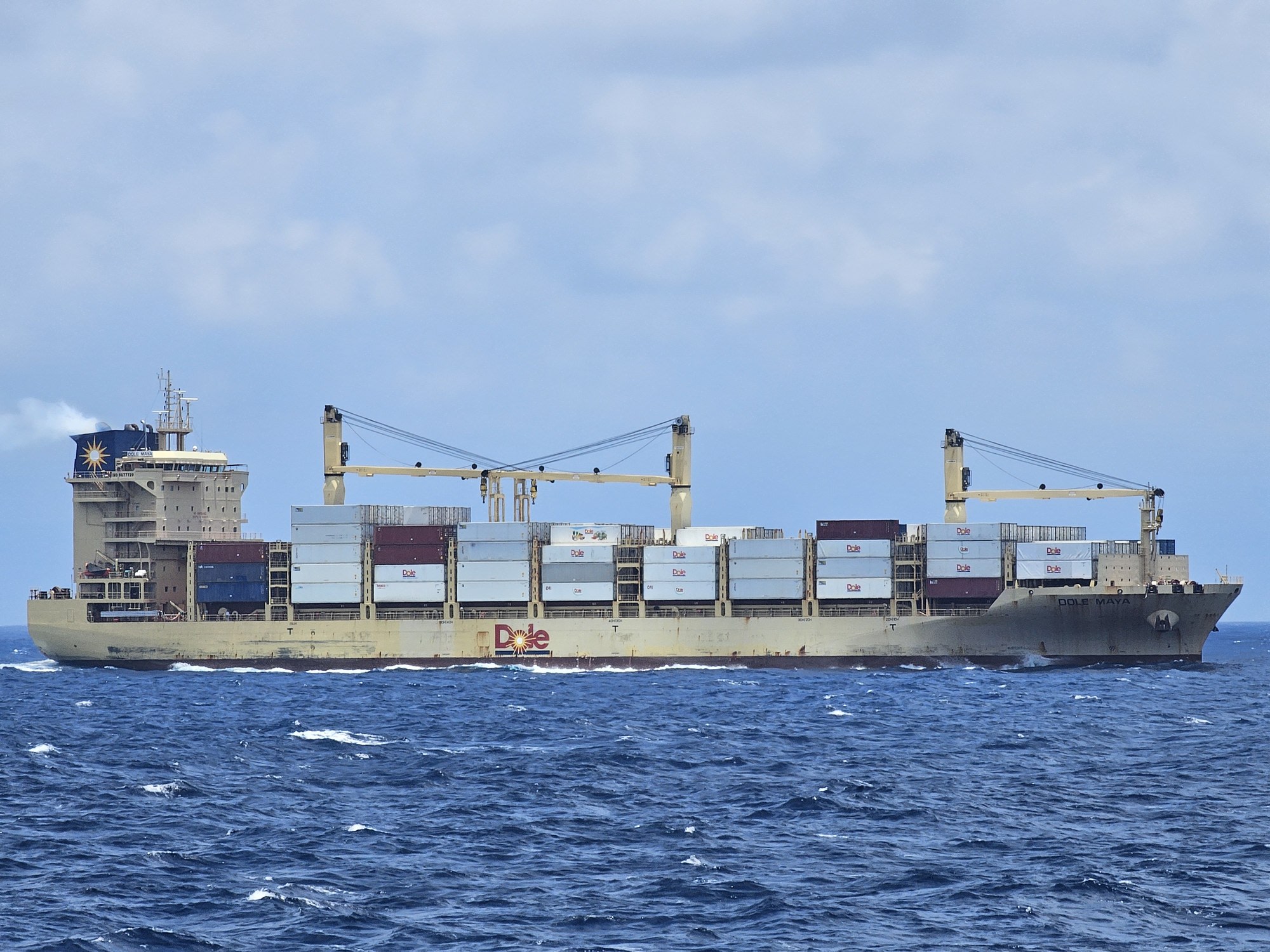
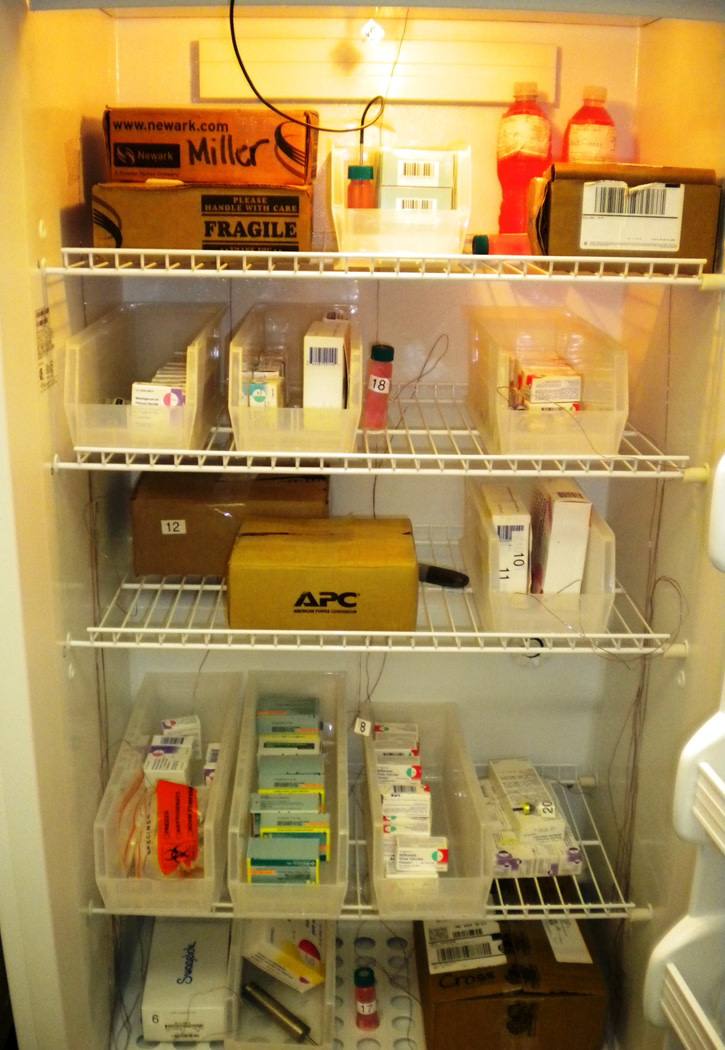
What is cold chain logistics? It is the relay of refrigerated containers, warehouses and trucks that keeps food, vaccines and medicines at a set temperature from producer to shelf. About 12% of the food produced worldwide in 2017 was lost because of an insufficient cold chain, according to the International Institute of Refrigeration. The gap matters for food supply: a fuller cold chain could save more than 475 million tonnes of food a year, enough to feed 950 million people, the IIR estimates. • At sea: refrigerated containers, or reefers, plug into a ship's power and push chilled air up through a slotted floor and around the cargo. Standard Maersk reefers hold -30°C to +30°C; its super freezers reach -60°C. The IIR counts about 2 million reefers and 5.7 million refrigerated road vehicles in service. • In storage: refrigerated warehouse capacity reached 719 million cubic meters in 2020, up 16.7% from 2018, according to the Global Cold Chain Alliance. The U.S., India and China were the largest markets. • For health: most vaccines must stay between 2°C and 8°C, the World Health Organization says. Freezing can permanently damage those containing aluminium adjuvants, the ingredients that strengthen the immune response. • Monitoring: electronic data loggers record temperatures and flag alarms over a rolling 30 days, while labels on vaccine vials change color as heat exposure builds, under WHO guidance. • Last mile: online grocery and quick-commerce growth is pushing operators toward smaller local refrigerated hubs, Mordor Intelligence says. Mordor Intelligence projects the cold chain logistics market will grow from $383.46 billion in 2026 to $515.79 billion by 2031, about 6.1% a year. Sources: IIR, WHO, Global Cold Chain Alliance, Maersk and industry market data. #ColdChain #Logistics #SupplyChain #Refrigeration #FoodSecurity

Comments (0)