
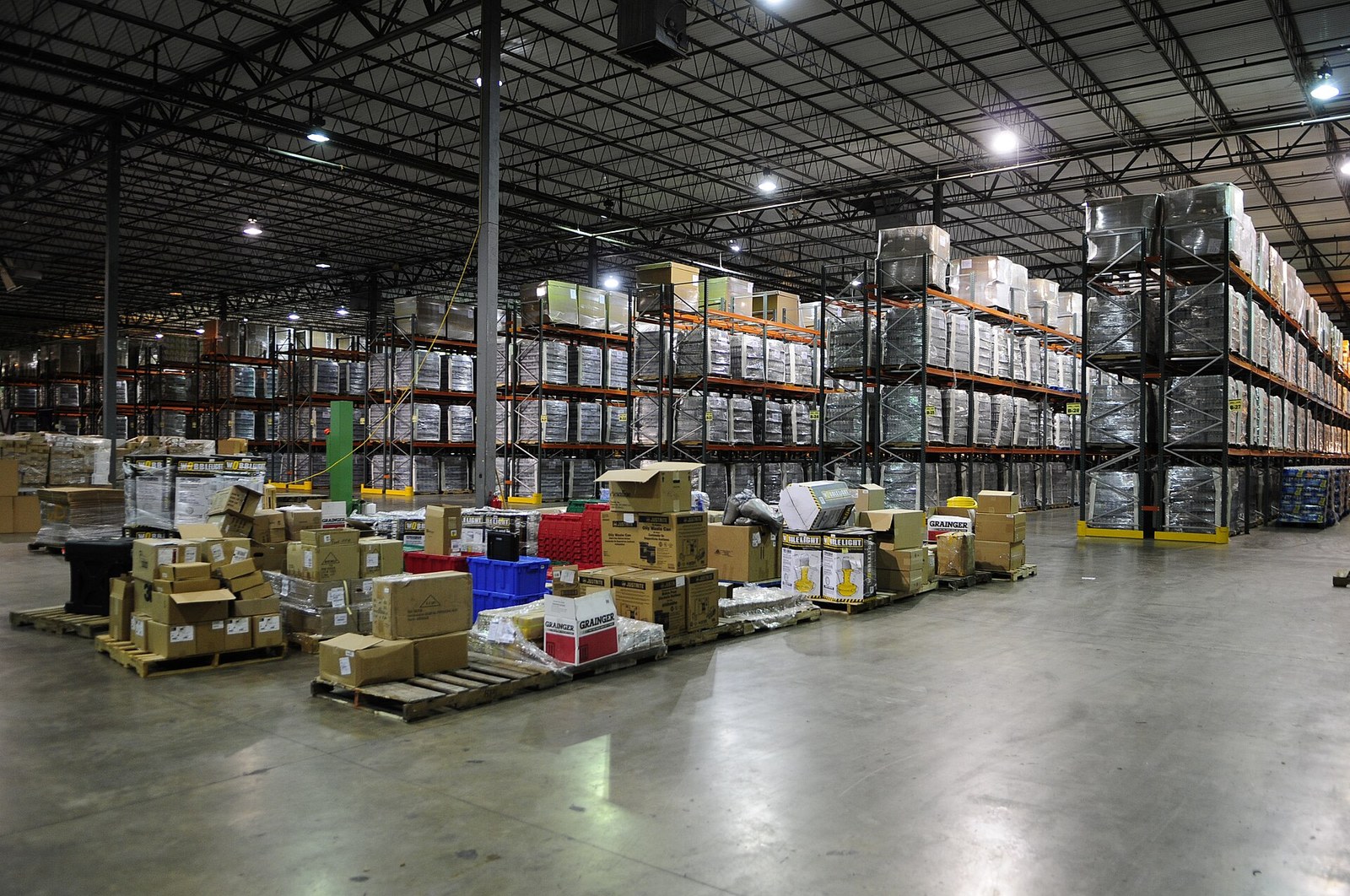
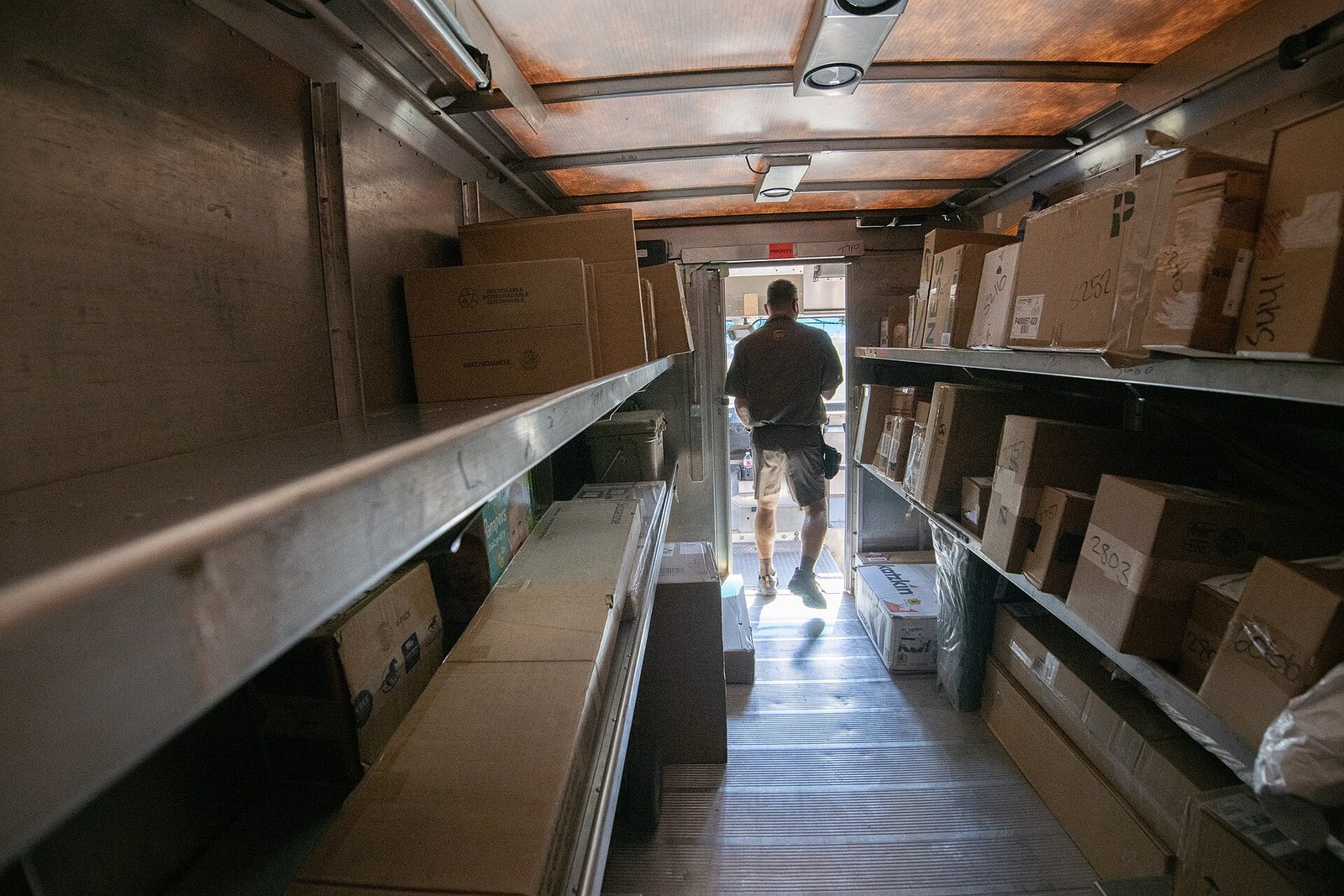
What is dropshipping? It is online retail without a stockroom: the store takes the order, and a supplier ships the product. The global dropshipping market was valued at $464.4 billion in 2025 and is projected to reach $583.5 billion in 2026, according to Grand View Research. Estimates vary with methodology; Global Market Insights put 2025 at $379 billion. The model shifts inventory risk from the retailer to the supplier, but it also hands the supplier control over delivery speed and product quality. • The order flow: a customer pays the online store, the store forwards the order and pays the supplier, and the supplier packs and ships the item directly to the customer, according to Shopify. • Inventory sits with the supplier. The retailer remains the seller of record, so its name appears on packing slips and it handles returns and refunds. • Margins are thin. Dropshipping brands earn net margins of 15% to 25% on average, according to a TrueProfit analysis cited by Shopify, partly because goods are bought one unit at a time without bulk discounts. • Shipping time is the main trade-off. Orders from Chinese suppliers sent by ePacket take 7 to 15 business days, Shopify says, while a 2026 AlixPartners study found shoppers expect delivery in under three days. • Fashion is the largest category, with 37.4% of 2025 revenue, and Asia Pacific the largest region, with 36.0%, Grand View Research estimates. Grand View expects investment in regional warehouses and local fulfillment centers to shorten delivery times, narrowing the gap with retailers that hold their own stock. Sources: market research firms, Shopify and industry data. #SupplyChain #Ecommerce #Dropshipping #Logistics #Retail
Comments (0)