
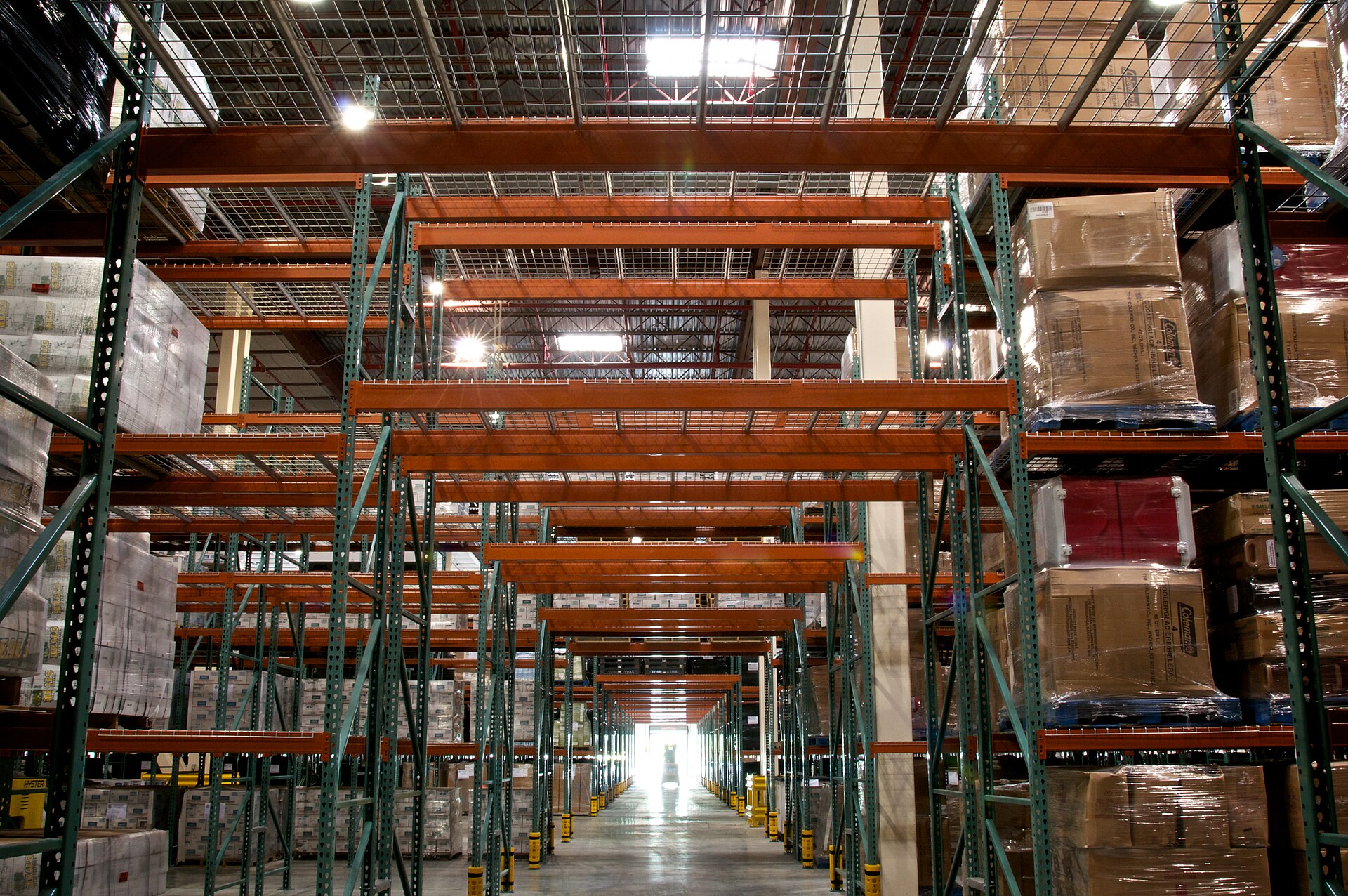
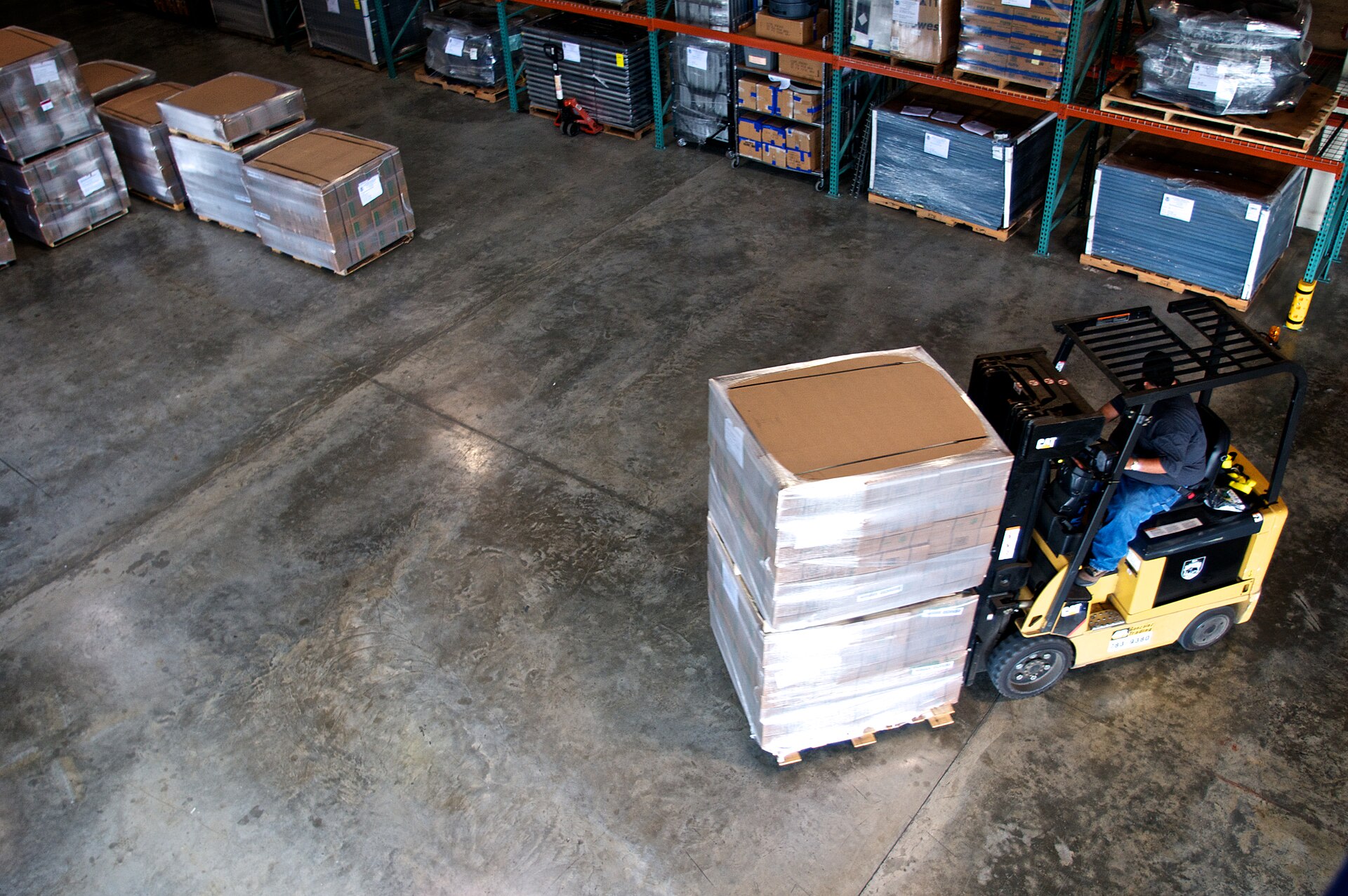
What is third-party logistics? It is the business of moving and storing other companies' goods, and it brought in about $1.3 trillion last year. Global revenue for third-party logistics providers, or 3PLs, grew 5.3% to $1,300.6 billion in 2025, according to research firm Armstrong & Associates. That equals about 10% of the $12.96 trillion the world spent on logistics. For shippers, the appeal is flexibility: they can rent trucks, warehouse space and know-how instead of owning them. • A 3PL runs some or all of a company's logistics under contract, from freight booking and customs brokerage to warehousing, order fulfillment and returns. • The U.S. market reached $323.4 billion in 2025, up 5.0%, Armstrong estimates. Domestic transportation management was the largest segment at $128.3 billion, followed by international freight at $85.9 billion and contract warehousing and distribution at $72.7 billion. • Dedicated contract carriage, in which a 3PL supplies trucks, drivers and managers to a single customer, added $32.0 billion. • Amazon tops Armstrong's global ranking at $172.2 billion, counting its third-party seller services, followed by DSV at $37.4 billion, DHL Supply Chain & Global Forwarding at $35.5 billion and Kuehne + Nagel at $33.8 billion. • Shippers mostly like the arrangement. In the 2026 Third-Party Logistics Study, 88% called their 3PL relationships successful and 75% said 3PLs help reduce costs, though the share increasing their outsourcing slipped to 81% from 87%. Armstrong forecasts global 3PL revenue will rise 10.1% to about $1.43 trillion in 2026, led by transportation management and e-commerce fulfillment. Sources: Armstrong & Associates, the annual Third-Party Logistics Study and industry data. #SupplyChain #Logistics #3PL #Warehousing #Ecommerce

Comments (0)