
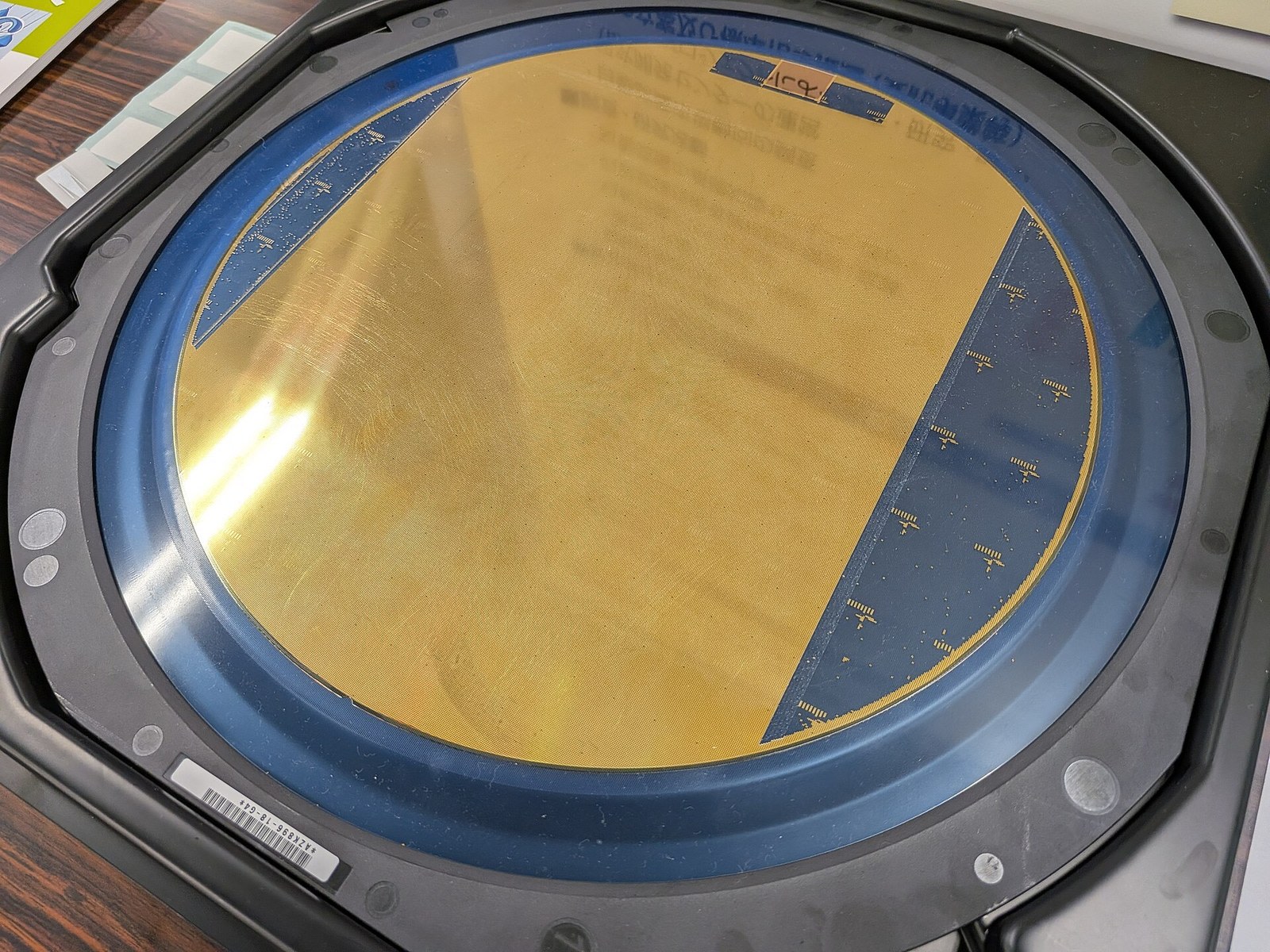
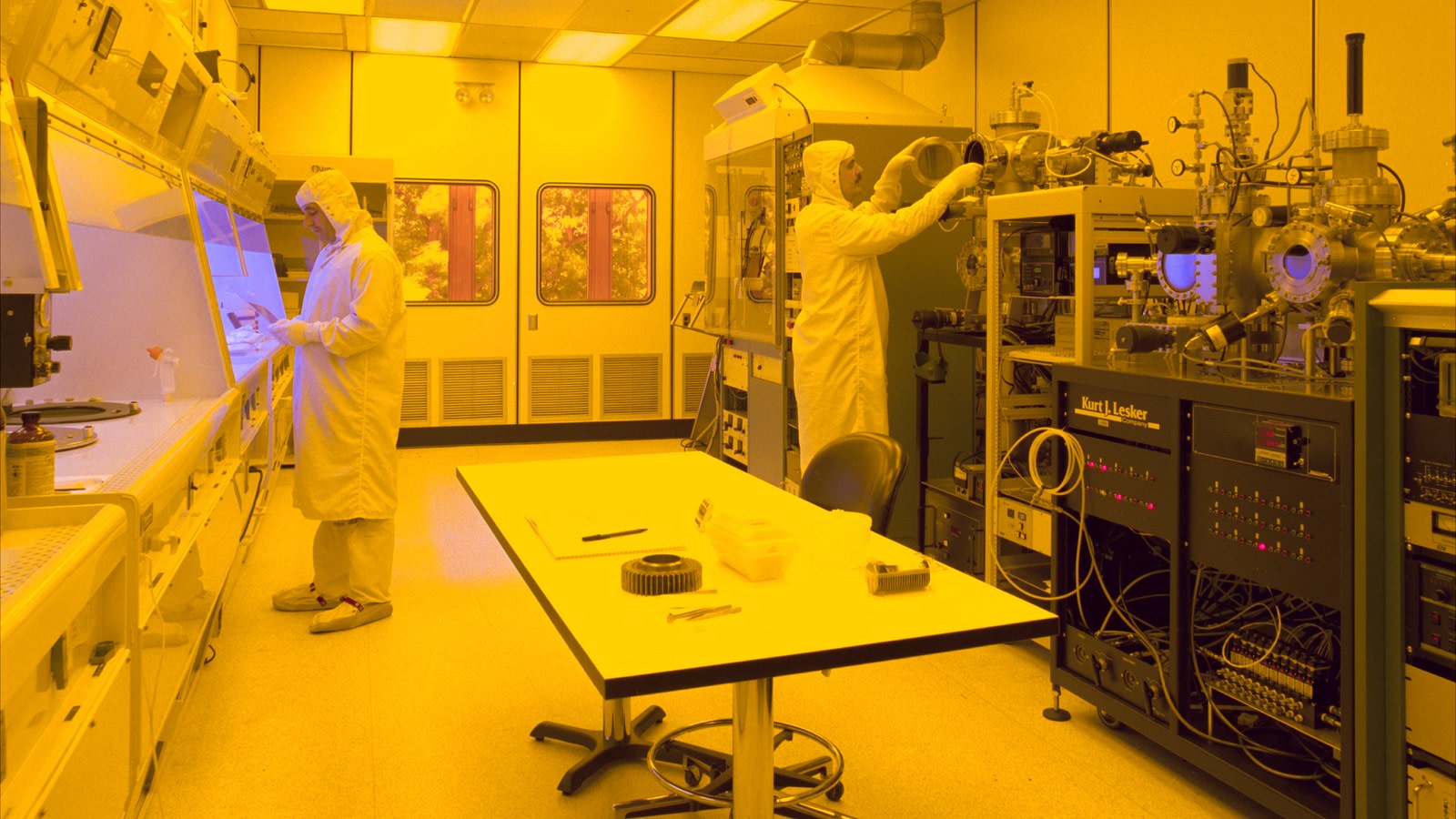
How are computer chips made? Each one is printed, layer by layer, onto a polished disc of silicon called a wafer, in a process that takes months and machines that cost hundreds of millions of dollars. A standard wafer spends about 12 weeks in a factory, or fab, and advanced chips take 14 to 20 weeks, according to the Semiconductor Industry Association. That timeline explains why chip supply cannot jump when demand does, from AI servers to cars. • The loop: a thin film is deposited, coated with light-sensitive resist, exposed to light through a patterned mask, then etched. The cycle repeats for every layer, and wafers shuttle between dozens of tools along the way. • The printer: ASML's newest High-NA EUV lithography machines, which print with extreme ultraviolet light, cost upwards of €350 million each, Bloomberg reported. TSMC said it will hold off using them through 2029 to save money. • The finish: after the fab, wafers are tested, cut into individual chips and packaged, which adds about six more weeks. • The leader: TSMC took 72.5% of global foundry revenue in the second quarter of 2026, about $40.2 billion, according to TrendForce. Foundries make chips designed by other companies. • The build-out: a new fab took an average of 736 days from construction to production in the U.S., versus 682 days globally, a CSET study of about 635 fabs found. TSMC raised its 2026 capital spending plan to $60 billion to $64 billion, and Citi forecasts $77 billion in 2027. Deep dive: https://tabbicus.com/article/ai-chip-packaging-becomes-the-next-semiconductor-bottleneck Sources: industry association, company statements and market research data. #Semiconductors #Chips #SupplyChain #Manufacturing #TSMC

Comments (0)