
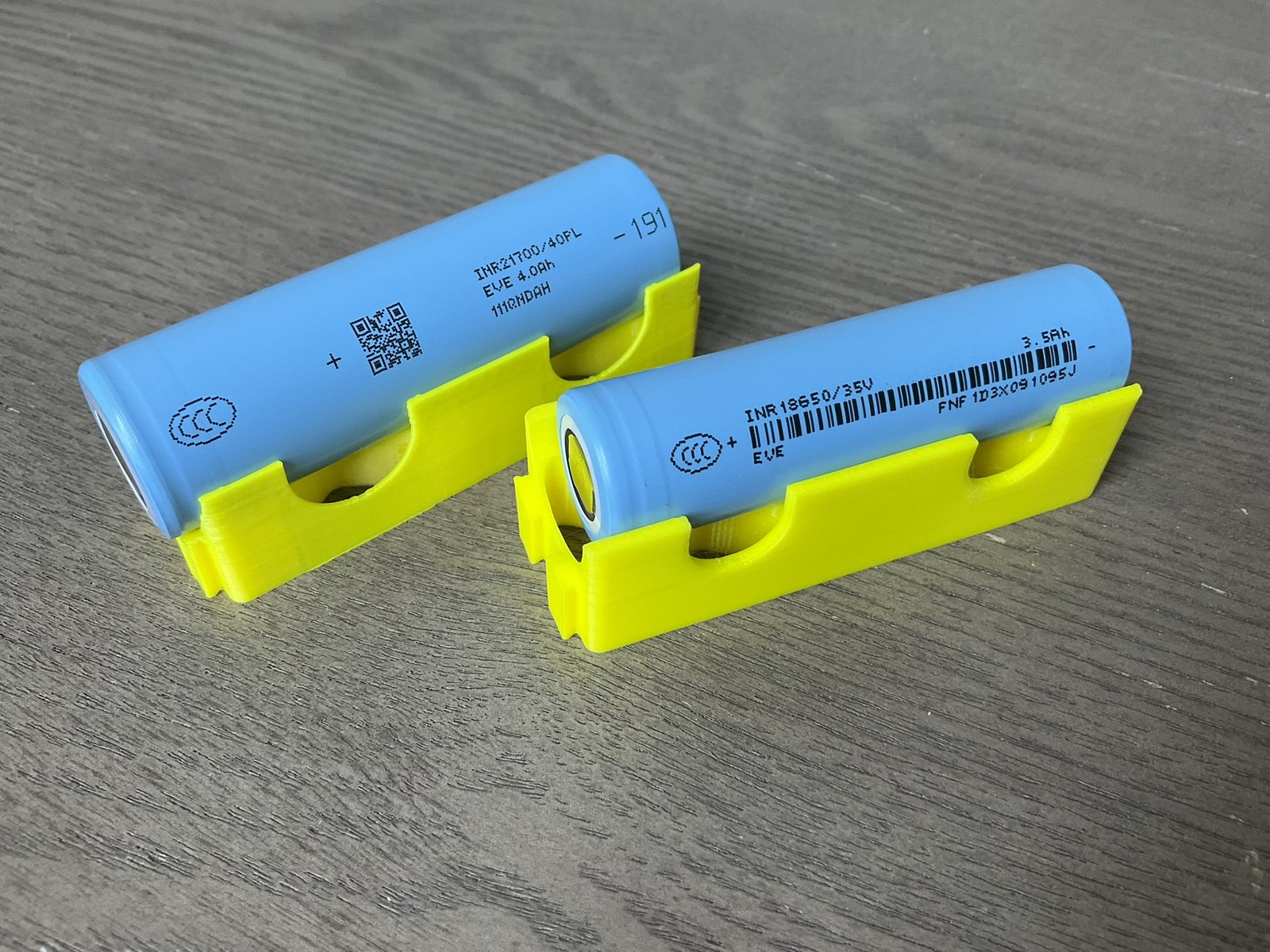
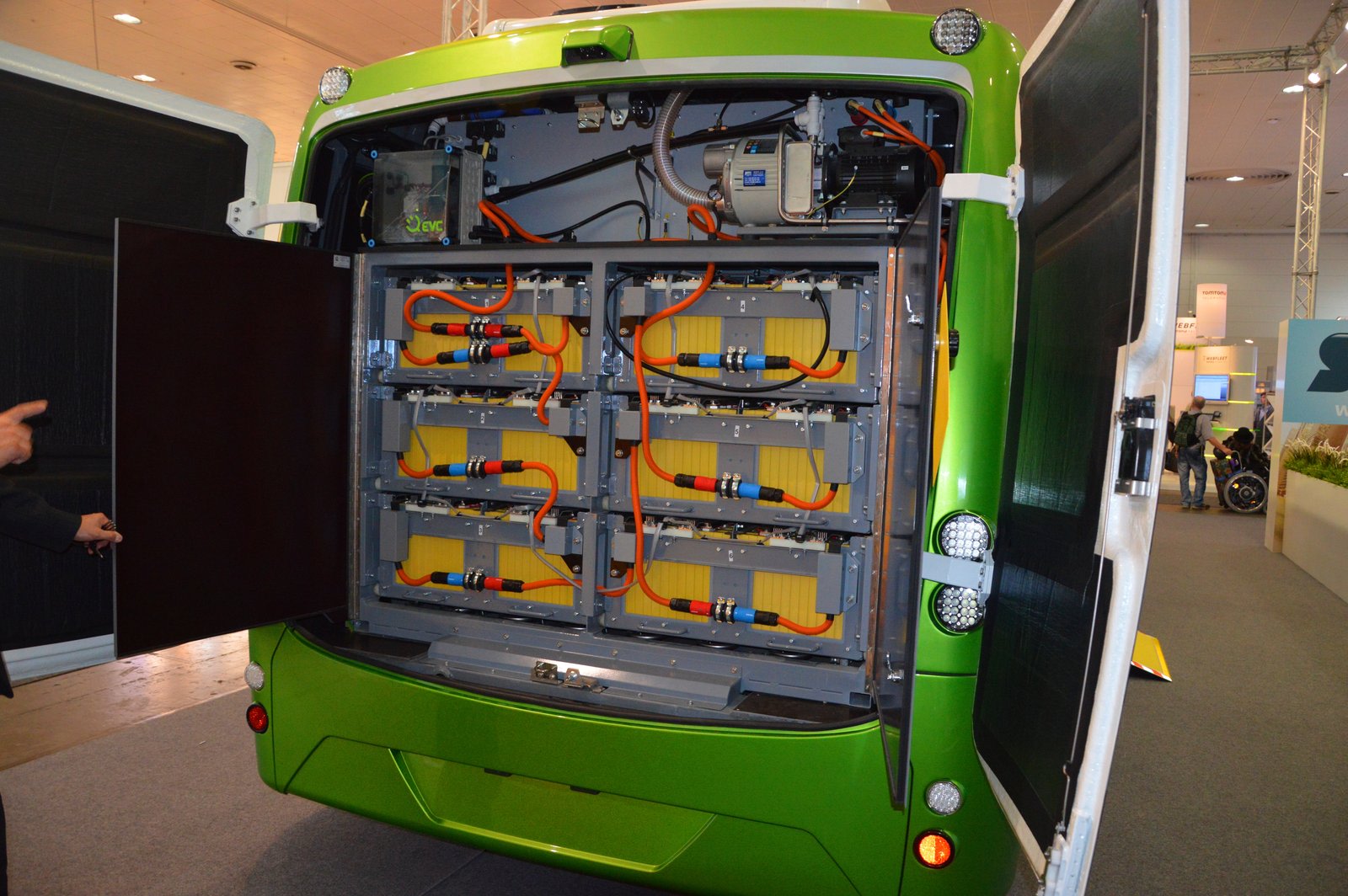
How lithium-ion batteries are made: a weeks-long, energy-hungry process concentrated in a few countries. Global nameplate capacity for lithium-ion cells passed 4 terawatt-hours at the end of 2025, up about 30% in a year, and China held more than 80% of it, according to the International Energy Agency. That concentration shapes costs. Cathode material accounts for 40% to 50% of an NMC cell's production cost, and new plants can take more than five years to approach nominal output, the IEA says. • Active material, carbon and binder are mixed into a slurry, coated onto aluminum foil for the cathode and copper for the anode, dried, pressed in calendering and slit to width, according to a Worcester Polytechnic Institute review. • Electrodes and separators are stacked or wound in a dry room, welded, sealed into cylindrical, prismatic or pouch cases and filled with electrolyte. Prismatic cells make up more than 60% of EV batteries, per the IEA. • Formation and aging, the first controlled charging cycles that stabilize each cell, can take up to three weeks and rank among the costliest steps, the review found. Cells are then grouped into modules and packs. • Making a nickel-based cell takes 20 to 29 kilowatt-hours of energy per kilowatt-hour of capacity, with dry rooms the largest consumer, a Fraunhofer-led study in Nature Energy estimated. • Pack prices fell 8% in 2025 to $108 per kilowatt-hour; China averaged $84, while North America and Europe were 44% and 56% higher, BloombergNEF reported. The Nature Energy study says better process technology, heat pumps and scale could cut the energy needed for global cell production in 2040 by up to 66%, and BloombergNEF expects pack prices to fall again in 2026. Sources: IEA, BloombergNEF, Nature Energy and industry research. Deep dive: https://tabbicus.com/article/ev-battery-recycling-plant-aims-to-keep-black-mass-in-europe #Batteries #EVs #Manufacturing #SupplyChain #Energy
Comments (0)