
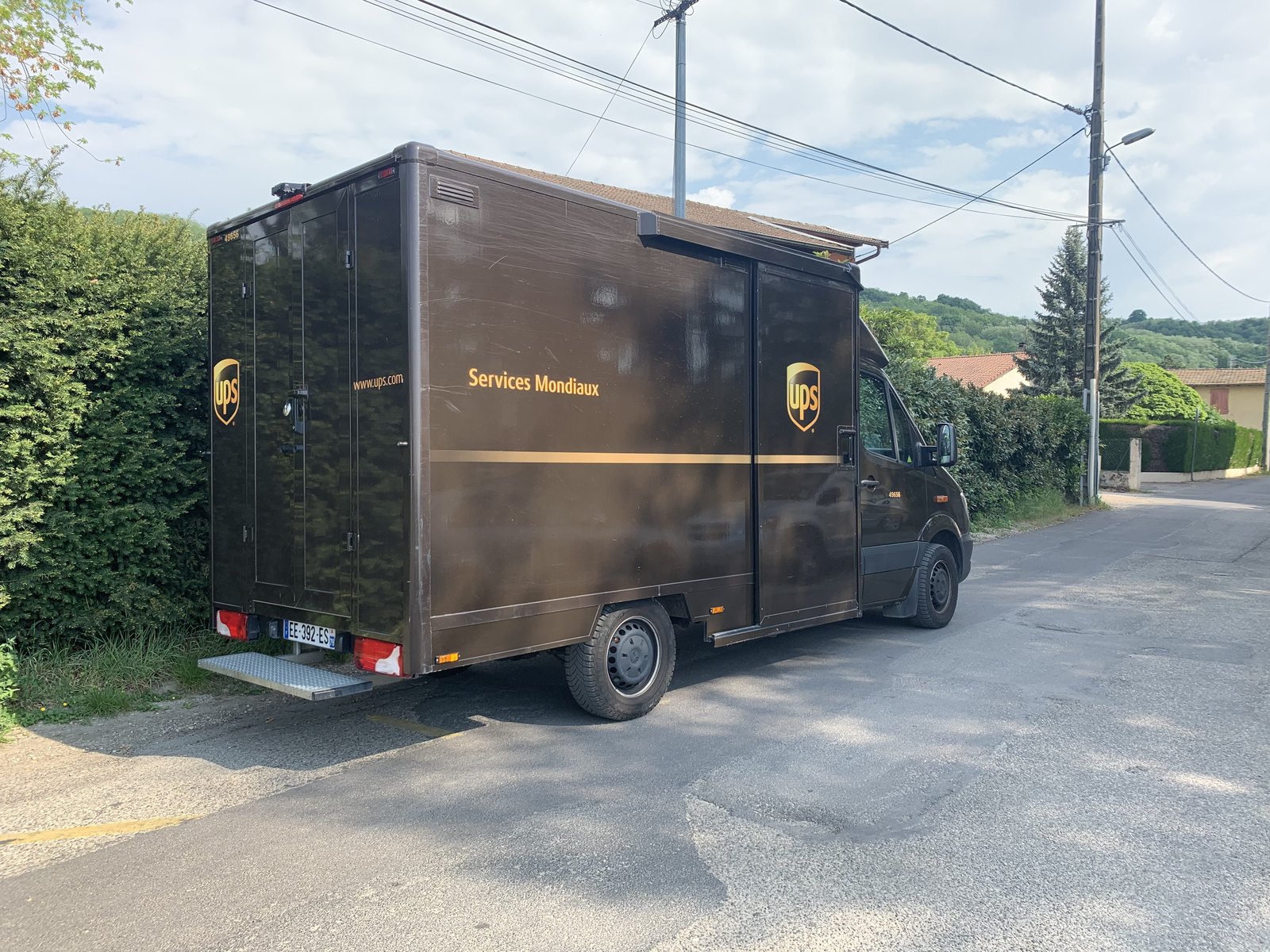
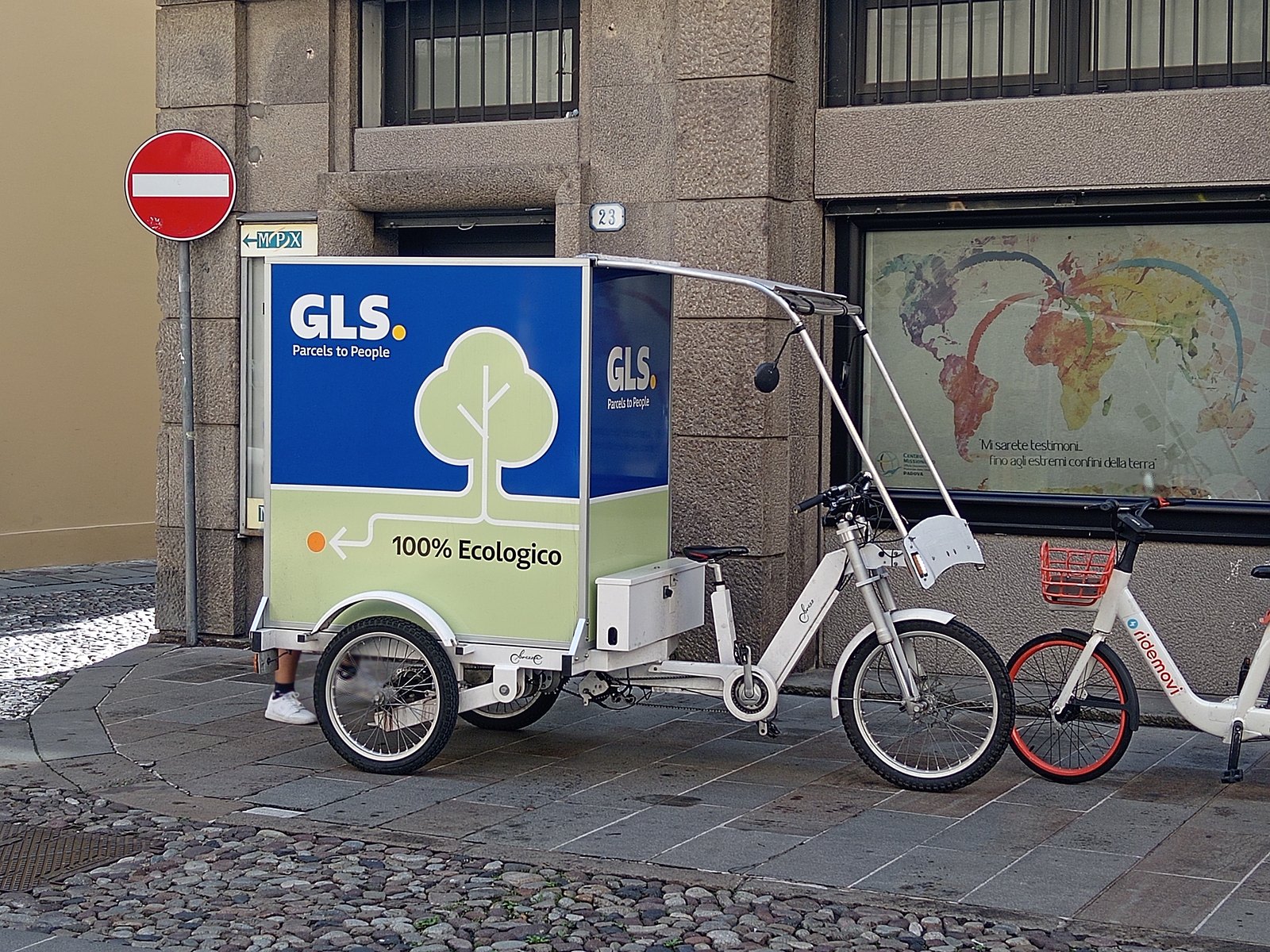
What is last-mile delivery? It is the final, and costliest, leg of getting a package to a customer's door. Last-mile delivery is the trip from a local hub, depot or store to the doorstep. It accounts for 41% of total supply-chain costs, more than double any other category such as warehousing or parceling, according to a Capgemini Research Institute survey of 500 executives. That is why free shipping is rarely free for the seller. • Why it costs so much: a driver makes dozens of small drops instead of one large one, often in traffic. Capgemini found a delivery cost companies an average of $10.10 while customers paid $8.08, leaving retailers to absorb the gap. • Failed drops add up: 8% of first-attempt U.S. deliveries fail, at an average cost of $17.20 each, according to a Loqate study. Returns send many parcels back the other way; UPS says 20% to 30% of online orders are returned. • Route math: UPS says its ORION software weighs more than 200,000 options for a 120-stop route and saves about 100 million miles of driving a year. • Outsourced fleets: about 4,500 independent small businesses run Amazon delivery routes under its Delivery Service Partner program, the company said in 2025. • Fewer doorsteps: pickup points let carriers leave many parcels at one stop. UPS lists more than 16,000 Access Point locations in the U.S., such as CVS and Staples stores, while lockers, cargo bikes and drones are being tested for dense cities and short trips. Electrification is next: Amazon says it has more than 40,000 custom Rivian electric vans on U.S. roads and over 50,000 electric delivery vans worldwide, toward a goal of at least 100,000 by 2030. Sources: company reports, consulting research and industry data. Deep dive: https://tabbicus.com/article/walmart-drone-delivery-goes-national-with-300-zipline-sites #LastMile #Logistics #SupplyChain #Ecommerce #Delivery

Comments (0)