
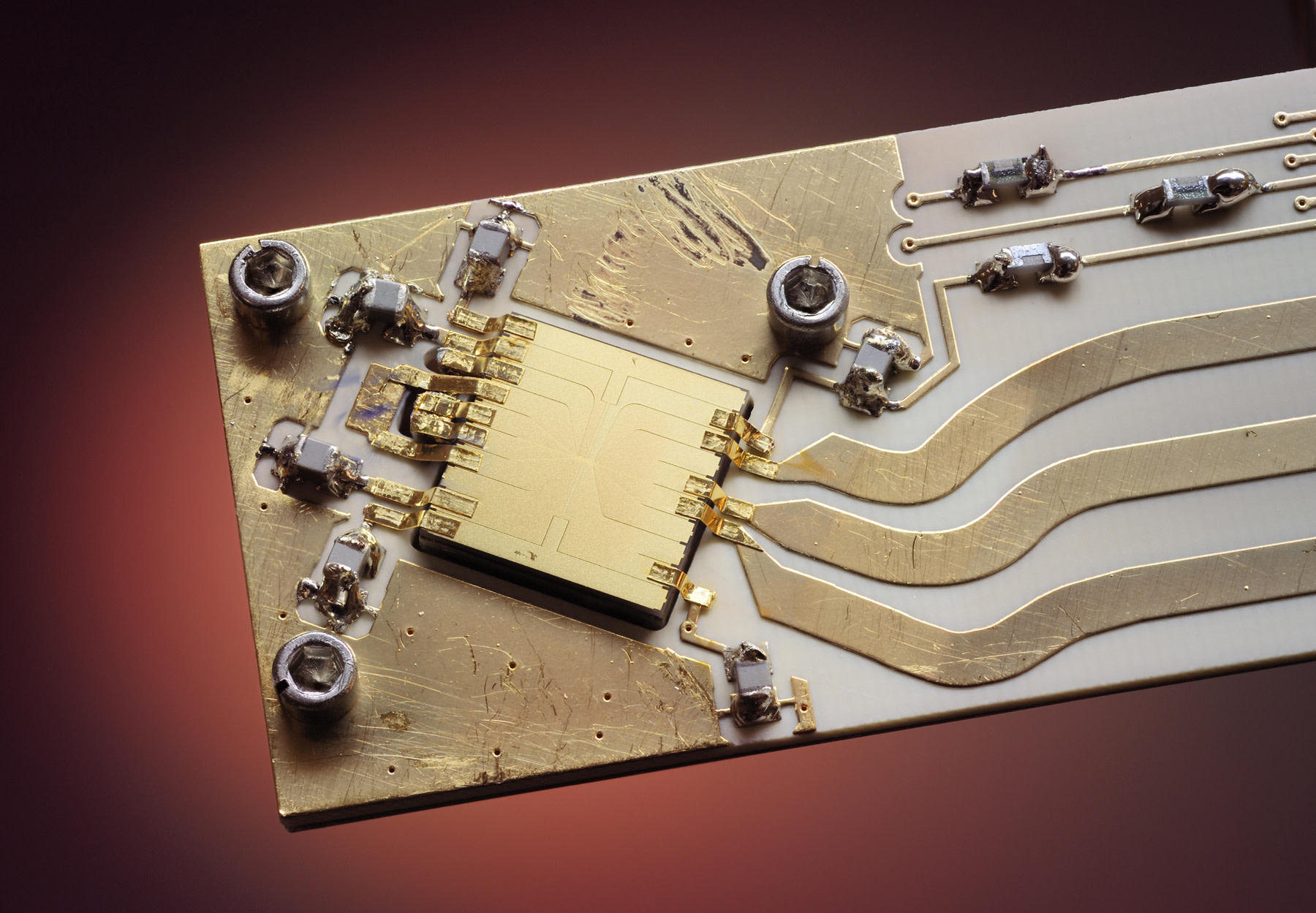
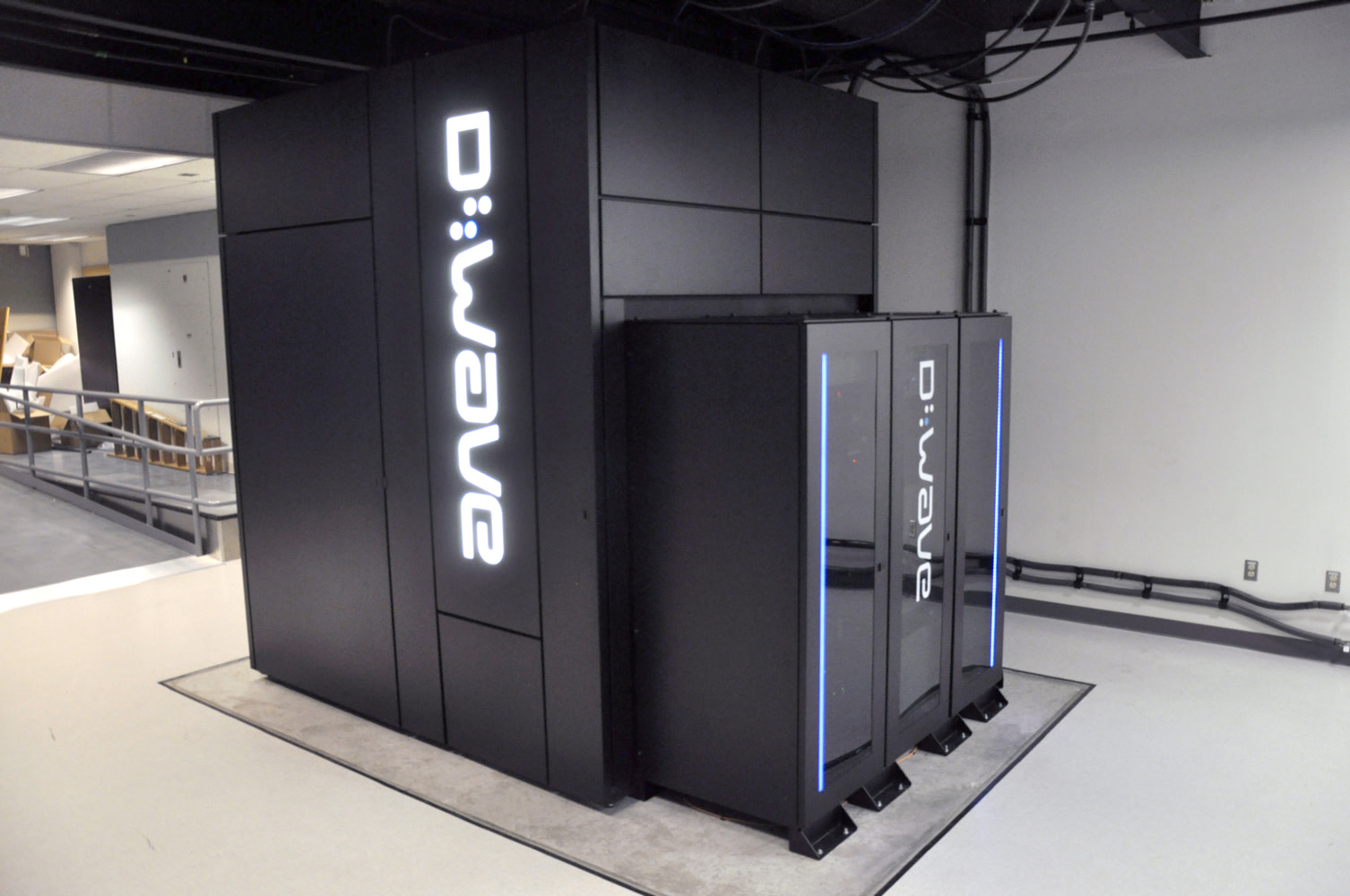
What is quantum computing? It is a new kind of computer that uses qubits, not bits, to attack problems ordinary machines cannot finish. The stakes are large. McKinsey estimates quantum computing companies earned $650 million to $750 million in 2024 and expected to pass $1 billion in 2025, with the market worth as much as $72 billion by 2035. • Qubits: a normal bit is a 0 or a 1. A qubit can hold a weighted blend of both, a state called superposition, according to IBM. Two qubits can represent four combinations at once, three can represent eight, and the space keeps doubling with each qubit added. • Entanglement: qubits can be linked so their states depend on each other. Quantum algorithms use this, along with interference, to cancel wrong answers and reinforce right ones. • The catch is fragility. Qubits lose information to heat and noise, so many machines run colder than outer space. Error correction spreads one reliable "logical" qubit across many physical ones. • Progress: Google's 105-qubit Willow chip, unveiled in December 2024, cut its error rate in half each time the qubit grid grew, from 3x3 to 5x5 to 7x7. In October 2025, Google said a Willow algorithm called Quantum Echoes ran 13,000 times faster than the best classical method on a leading supercomputer, though outside researchers noted the test problem was still small. IBM plans a fault-tolerant system with 200 logical qubits running 100 million operations by 2029, and 2,000 logical qubits by 2033. Sources: company research publications and industry reports. #QuantumComputing #Tech #AI #Google #IBM
Comments (0)