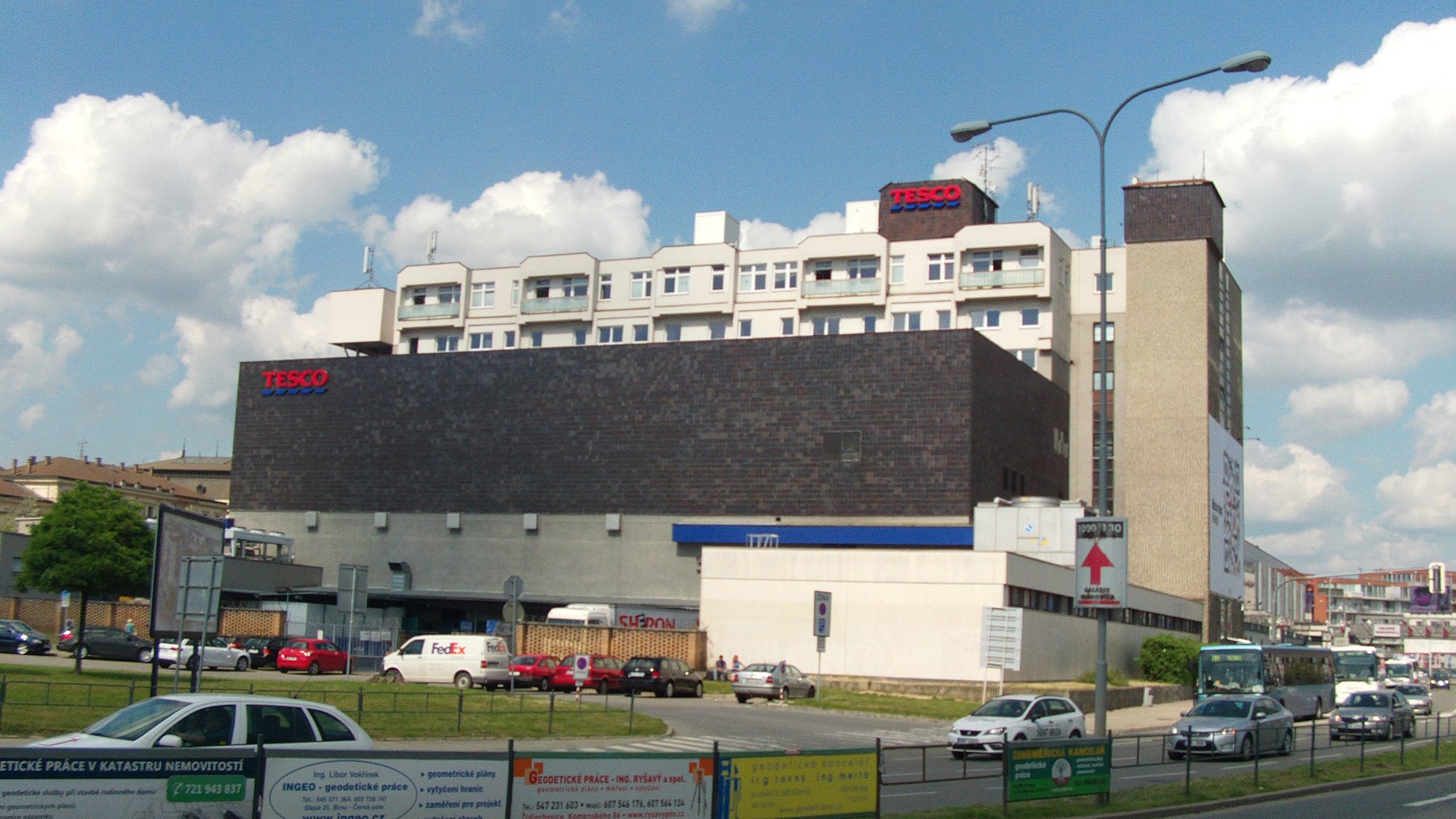
Ahold Delhaize agreed to buy Tesco's businesses in the Czech Republic and Slovakia for an enterprise value of about €1.7 billion, a deal that would make the Dutch grocer the leading supermarket brand in Czechia and push Britain's biggest retailer further out of foreign markets. The Ahold Delhaize Tesco deal, announced on Oct. 30, covers more than 360 company-operated supermarkets, hypermarkets and convenience stores, plus over 100 franchise stores. The business generates roughly €3.5 billion in annual sales and employs more than 14,000 people, according to Ahold Delhaize's announcement. Ahold Delhaize, the owner of the Albert chain in Czechia, is betting that purchasing scale and store remodeling can lift returns in a crowded grocery market. Tesco is trading a small division for about €1.2 billion in cash that it plans to hand back to shareholders. How much is Ahold Delhaize paying for Tesco Czech Republic and Slovakia? Ahold Delhaize put the enterprise value at about €1.2 billion before lease accounting, or about €1.7 billion once lease liabilities are included under IFRS 16 rules. On the lease-adjusted figure, the price equals about 7.2 times the business's earnings before interest, taxes, depreciation and amortization over the last 12 months, or 5.0 times after expected synergies. Ahold Delhaize said the purchase will be funded with committed financing and existing resources, and that it expects the deal to be neutral to earnings per share in the first year after closing. Tesco Czech Republic sale moves more than 360 stores What does the Tesco share buyback mean for investors? For Tesco, the sale is a capital-return story. The company said it expects net cash proceeds of €1.2 billion, or about £1.0 billion, before tax and transaction costs, and intends to return most of it through an incremental share buyback. Tesco said the deal should be broadly neutral to earnings per share once the buyback is done. The Czech and Slovak units generated combined sales of £2.9 billion in the latest financial year and most of the £115 million adjusted operating profit reported for Tesco's Central European region, according to Tesco's statement. Reuters put that regional profit at about 4% of the group total. Investors welcomed the move. Tesco shares rose about 1.2% in early London trading on Friday, extending gains this year to 21%, Reuters reported. Ahold Delhaize shares also gained more than 1%, according to Dow Jones Newswires. Analysts were split on who got the better price. Bernstein said the deal looks "quite expensive" and is more positive for Tesco than for Ahold Delhaize. RBC Capital Markets said the transaction makes sense for both companies, complementing Ahold's existing Czech operations and helping it expand in Slovakia. Why is Tesco leaving Central Europe? The sale continues a long retreat. Since 2014, Tesco has sold businesses in South Korea, Thailand, Malaysia, Turkey and Poland and shut its loss-making US venture, Fresh & Easy. Chief Executive Ken Murphy said the deal "will further simplify the Group" and increase focus on the core UK and Irish businesses, Tesco holds about 28% of the British grocery market, according to Reuters. Tesco entered the Czech market in 1996 by acquiring K-Mart department stores, according to Radio Prague International. Hungary, where Tesco runs almost 200 stores, is not part of the agreement. The company said it will continue to review all options for that business. Will Albert supermarkets lead the Czech grocery market? Ahold Delhaize says the combination of Albert and Tesco Czechia should become the country's leading grocery brand by market share after integration and remodeling. Albert currently runs nearly 350 supermarkets and hypermarkets and ranks third among Czech grocers by revenue, Radio Prague reported. Tesco operates 184 stores in the country, alongside 113 Žabka convenience stores. That ambition has to clear antitrust review first. Reviewers are expected to examine local store overlaps town by town. Store disposals could become a condition of approval. Czech grocery market competition The deal echoes a broader push for scale in food retail, from the DoorDash Instacart deal in delivery to the warehouse economics that underpin how Costco makes money. What are the risks? The timetable is long. Ahold Delhaize targets closing in the fourth quarter of 2027, while Tesco points to the second half of that year. Until then, Tesco will keep running the stores, and integration costs, data migration and staff retention for more than 14,000 employees will test the promised gains. Investors will get more detail soon. Ahold Delhaize plans to discuss the acquisition on its third-quarter results call on Wednesday, Nov. 4. The bigger test comes later, when Czech shoppers see whether a larger Albert brings lower prices or simply fewer rivals. Quick facts Deal value: About €1.7 billion enterprise value including leases, or about €1.2 billion before IFRS 16. Scope: More than 360 company-operated and over 100 franchise stores, about €3.5 billion in sales and more than 14,000 employees. Valuation: About 7.2 times trailing Ebitda, or 5.0 times including synergies. Timing: Closing expected in the second half of 2027, subject to antitrust approval. Sources: company announcements, analyst notes and Reuters reporting.