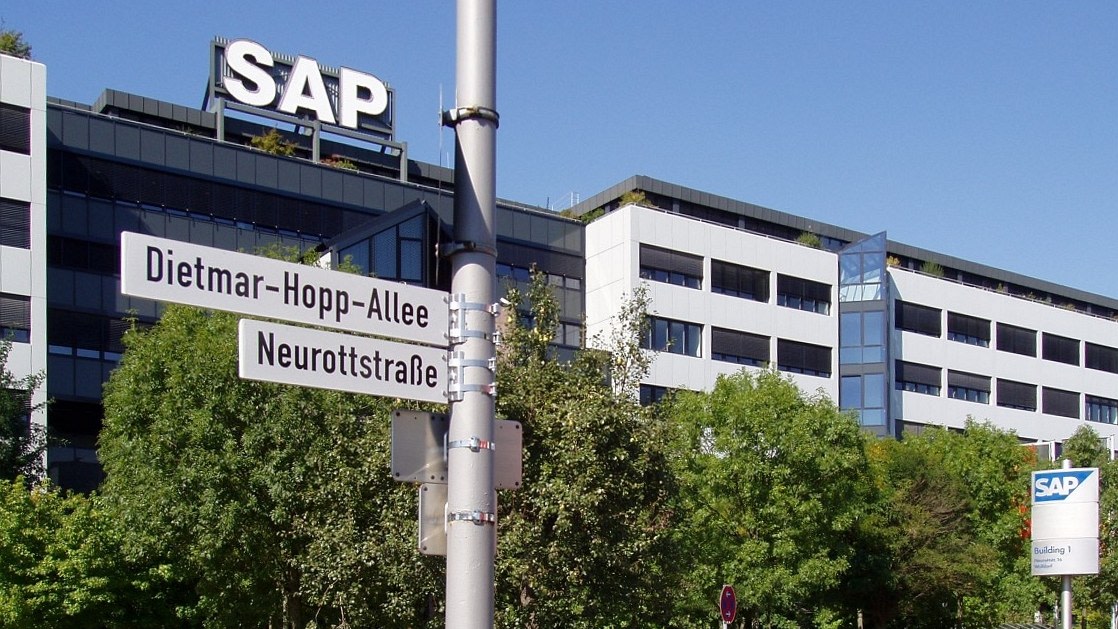
An SAP cyberattack on the company's GitHub software development environment has led Europe's most valuable technology company to restrict developer access and replace the keys it uses to sign its software, German media reported, in the same week a report said it is preparing at least 10,000 job cuts. SAP confirmed on Friday that it had identified suspicious activity and "promptly implemented the necessary measures to protect its customers." The Walldorf, Germany-based company said its investigation so far had found "no evidence of unauthorized access to customer business data." The timing is awkward. SAP software runs accounting, procurement, supply chains and payroll at many of the world's largest companies, so any doubt about the integrity of its code reaches well beyond Walldorf. Chief Executive Christian Klein is also reshaping the group around artificial intelligence, and investors are weighing what a second large restructuring in three years would cost and save. What happened in the SAP GitHub breach? German magazine Der Spiegel first reported the incident on Thursday, citing an internal memo and company insiders. Attackers stole authentication tokens belonging to SAP employees and used them to copy and alter source code stored on GitHub, the magazine reported. Insiders suggested AI agents may have assisted the attackers, which SAP has not confirmed. SAP is handling the response under the internal code name "Project Granite," according to Der Spiegel and Handelsblatt. SAP warned staff several days before the incident became public and asked them to check whether to change their login credentials, the German Press Agency reported. The emergency measures hit several development teams. SAP restricted access to GitHub, halted automated development processes and replaced the digital keys used to verify that its software is genuine and has not been tampered with, The Record reported, citing Handelsblatt. SAP GitHub breach: attackers used stolen employee tokens to copy and alter source code, according to Der Spiegel Why does a software supply chain attack worry SAP customers? Basic questions remain open. SAP has not said which repositories were affected, whether proprietary code was taken, who was behind the attack or whether the incident is contained. Nor has it said whether customers who pull code or updates from its GitHub repositories need to act. No report so far indicates that altered code reached software delivered to customers. Code-signing keys sit at the center of that concern, because enterprises rely on them to confirm that an update comes from the vendor and has not been changed. The case follows a similar pattern at 1Password, which disclosed on Nov. 25 that an attacker had used an employee's GitHub account to reach its source code and push malicious code to its backend, as explained in the Tabbicus 1Password breach explainer. SAP also faced a separate attack in April, when malicious code was injected into several of its open-source packages. Any link between the incidents is unclear. How big are the SAP job cuts? Bloomberg reported on Thursday, citing people familiar with the matter, that SAP is preparing to eliminate at least 10,000 positions, or at least 9% of its global workforce. Product, engineering and sales are expected to bear the largest share, and the final number could change after labor negotiations. An employment guarantee agreed with SAP's German works council runs through 2028, Bloomberg reported, which suggests the cuts would fall mainly outside Germany. SAP employed about 113,000 people at the end of September. SAP said AI is changing its business rapidly and "roles and functions will naturally change over time," adding that no decisions on further measures had been made. Chief Financial Officer Dominik Asam told an investor event the previous week that he expects headcount to decline. SAP has done this before. A 2024 program eliminated about 10,000 roles, mostly through voluntary departures and retraining, at a cost of about €3 billion, yet headcount stayed broadly flat as the company hired for new skills. This year it has bought data and AI companies Reltio, Dremio, Prior Labs and TechWolf. What do the SAP job cuts mean for investors? The cuts would come from strength. Third-quarter revenue rose 13% to €10.27 billion, passing €10 billion in a quarter for the first time, and cloud revenue grew 26% to €6.67 billion, according to SAP's third-quarter results. Current cloud backlog, a gauge of future subscription revenue, rose 28% to €24.1 billion. SAP Q3 2026 results: cloud backlog, cloud revenue and operating profit all grew by double digits Analysts see room for margin gains. JPMorgan's Toby Ogg estimated that, assuming total costs of €150,000 per employee and half of the savings reinvested, the cuts could lift adjusted operating profit by €750 million, with the full effect from 2028. Citigroup's Balajee Tirupati noted that rising costs had slowed core operating margin expansion in recent quarters. Shares were little moved, closing up 0.77% at €195.64 in Xetra trading on Friday after early losses. The stock has proved sensitive to its order book before. A backlog miss in January sent it down 15% in a single day, Reuters reported. SAP has historically announced restructuring programs alongside its annual results at the end of January. By then, customers are likely to want a fuller account of Project Granite, and investors a clearer view of how many jobs AI will replace. Quick facts SAP cyberattack: Suspicious GitHub activity, reported by Der Spiegel on Nov. 26, 2026, and confirmed by SAP. Response: GitHub access restricted, automated processes paused, signing keys replaced; no evidence of customer data access. SAP job cuts: At least 10,000 positions, about 9% of staff, per Bloomberg; SAP says nothing is decided. Q3 2026: Revenue €10.27 billion, up 13%; cloud backlog €24.1 billion, up 28%. Sources: SAP statements and results, reporting by Der Spiegel, Handelsblatt, Bloomberg, Reuters and dpa.