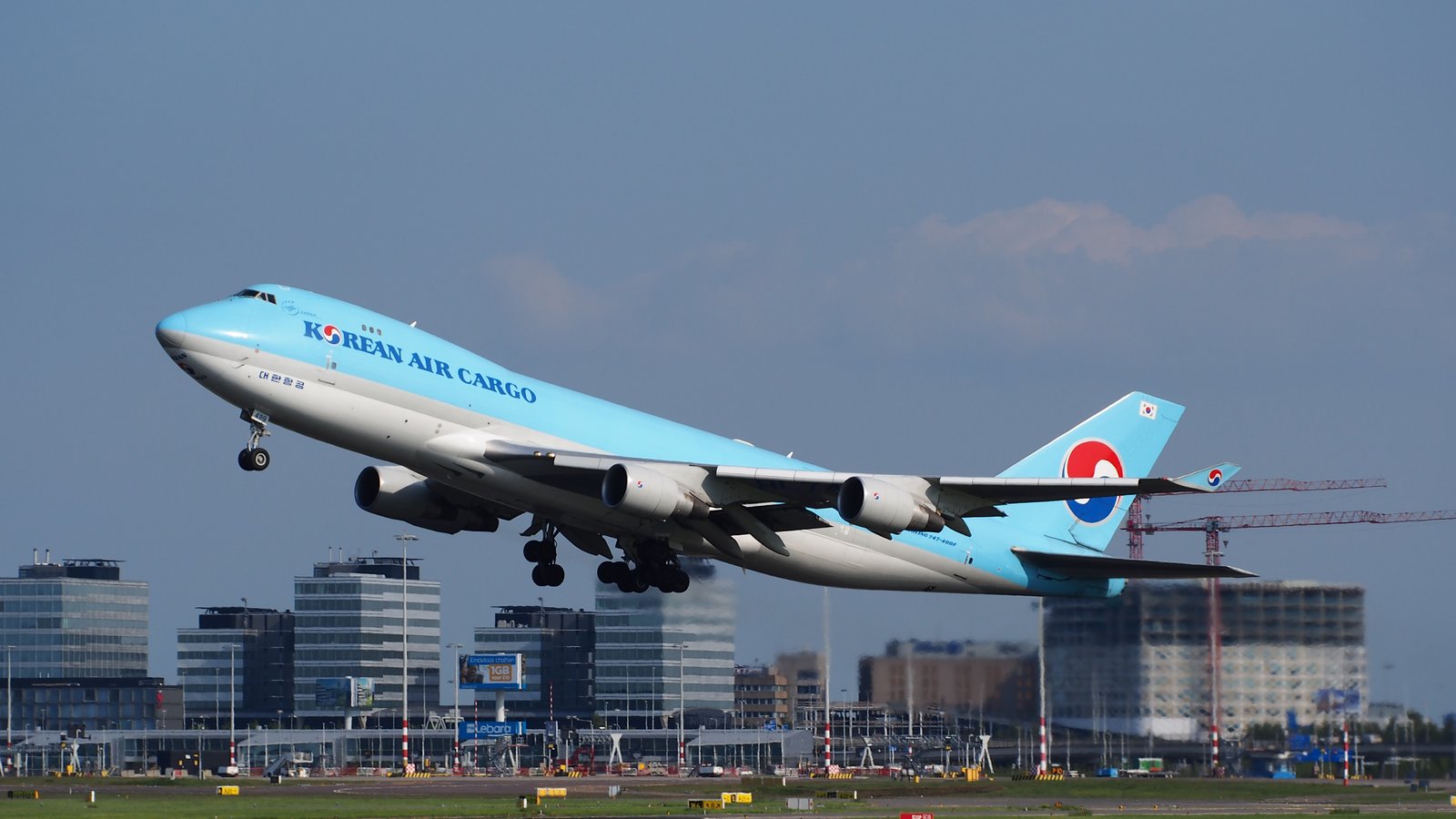
Air cargo capacity on freighters flying into Europe from Asia and the Middle East fell 15% from a year earlier in the two weeks to Nov. 24, according to aviation consultant Aevean, as airlines pulled freighters from airports built on cheap online parcels. The drop equals about 27,500 tonnes of space. The losses were concentrated at e-commerce gateways. Budapest lost 36% of its freighter capacity, Paris Charles de Gaulle 27% and Liège 24%, or about 5,800 tonnes, Aevean data reported by The Loadstar and Air Cargo News show. Frankfurt fell 11%, Amsterdam was flat and Cologne rose 16%. "Integrator and general cargo hubs are largely holding up, as ecommerce gateways take the hit," said Maarten Wormer, Aevean's head of consulting. For years, parcels from Chinese platforms flew directly to European shoppers, filling dedicated freighters. That flow is now moving into bulk shipments and European warehouses. For shoppers chasing Black Friday online sales, the change is mostly invisible; for logistics companies it redraws the map. Why is air cargo capacity to Europe falling? The trigger is a two-step change in EU customs rules. Since July 1, goods in packages worth €150 or less arriving from outside the bloc pay a €3 customs duty per distinct item, according to Ireland's tax authority. From Nov. 1, a €2 Union Handling Fee per item applies to online purchases shipped from outside the EU to consumers, regardless of value. The fee is charged per declaration line, not per box. Dutch Customs gives the example of one parcel with shirts, sweaters and a hat, which produces three lines and €6 in fees. Consultant Rotate measured the effect before the second charge began. Compared with June, e-commerce imports into Europe were down 48% in August, 44% in September and 39% in October, Air Cargo News reported. Freighter capacity from China and Hong Kong to Europe was 46%, or 43,700 tonnes, lower in October than in June. Where did the freighters go? Much of the space moved across the Pacific. Freighter capacity from China and Hong Kong to North America rose 19%, or 27,400 tonnes, over the same period, Rotate data show. Growth in automotive, technology and industrial shipments to Europe did not fill the gap. Liège shows the pattern. The Belgian airport said small-parcel volumes fell 42% after July 1 and third-quarter aircraft movements dropped 6% to 6,826. Total quarterly cargo was almost unchanged at 334,467 tonnes as exports grew. EU parcel fee reshapes e-commerce delivery in Europe How is the EU parcel fee changing e-commerce supply chains? Fast-fashion retailer Shein said on Nov. 25 that third-quarter European revenue fell 27.6% to $2.98 billion after it raised prices to absorb the charges, Reuters reported. A five-item order could now carry €25 in customs fees. "We expect the EU to remain under pressure for the next few quarters," Chief Executive Sky Xu told analysts. He said a recovery may have to wait until the second half of 2027, when most European orders would ship from local warehouses. That shift is under way. Shein said local inventory covered more than 40% of its European delivery volume in the third quarter, more than double the prior quarter, and should reach about 50% by year-end. Stock for those warehouses moves as consolidated cargo, by sea or as palletised air freight, rather than as individual parcels. For forwarders, that means fewer parcel charters and more bulk customs entries. What does it mean for air freight rates? Less capacity has kept prices firm. WorldACD data for Nov. 9 to 15 show the global average rate rose 2% to $3.49 a kilogram, a seventh straight weekly gain. Asia Pacific to Europe tonnage was down 15% from a year earlier, while rates on the lane were 26% higher. Transport Intelligence put global headhaul rates at $3.92 a kilogram in early November, up 45.2% from a year earlier, and tied the rise mainly to lost bellyhold space in winter passenger schedules and high fuel costs. The consultancy expects rates to ease in the first quarter of 2027 and advised shippers against locking November prices into 12-month contracts. If U.S. demand cools after the holidays, freighters could return to Europe without the parcels that once filled them. The next tests are December capacity data, Shein's push toward 50% local fulfilment and the return of summer passenger schedules in late March. They will show whether Europe's parcel airports can replace e-commerce with heavier freight. For a primer on belly and freighter space, see how does air freight work. Quick facts How much has air cargo capacity to Europe fallen? Freighter capacity from Asia and the Middle East into Europe fell 15%, about 27,500 tonnes, in the two weeks to Nov. 24, according to Aevean. Which hubs were hit hardest? Budapest fell 36%, Paris CDG 27% and Liège 24%, while Cologne rose 16%. What is the EU parcel fee? A €2 handling fee per item since Nov. 1 on online purchases shipped from outside the EU, on top of a €3 duty per item on packages worth €150 or less since July 1. Where is the capacity going? China and Hong Kong freighter capacity to North America rose 19% between June and October, while capacity to Europe fell 46%, Rotate data show. Sources: company statements, EU customs guidance, Reuters and air cargo industry data