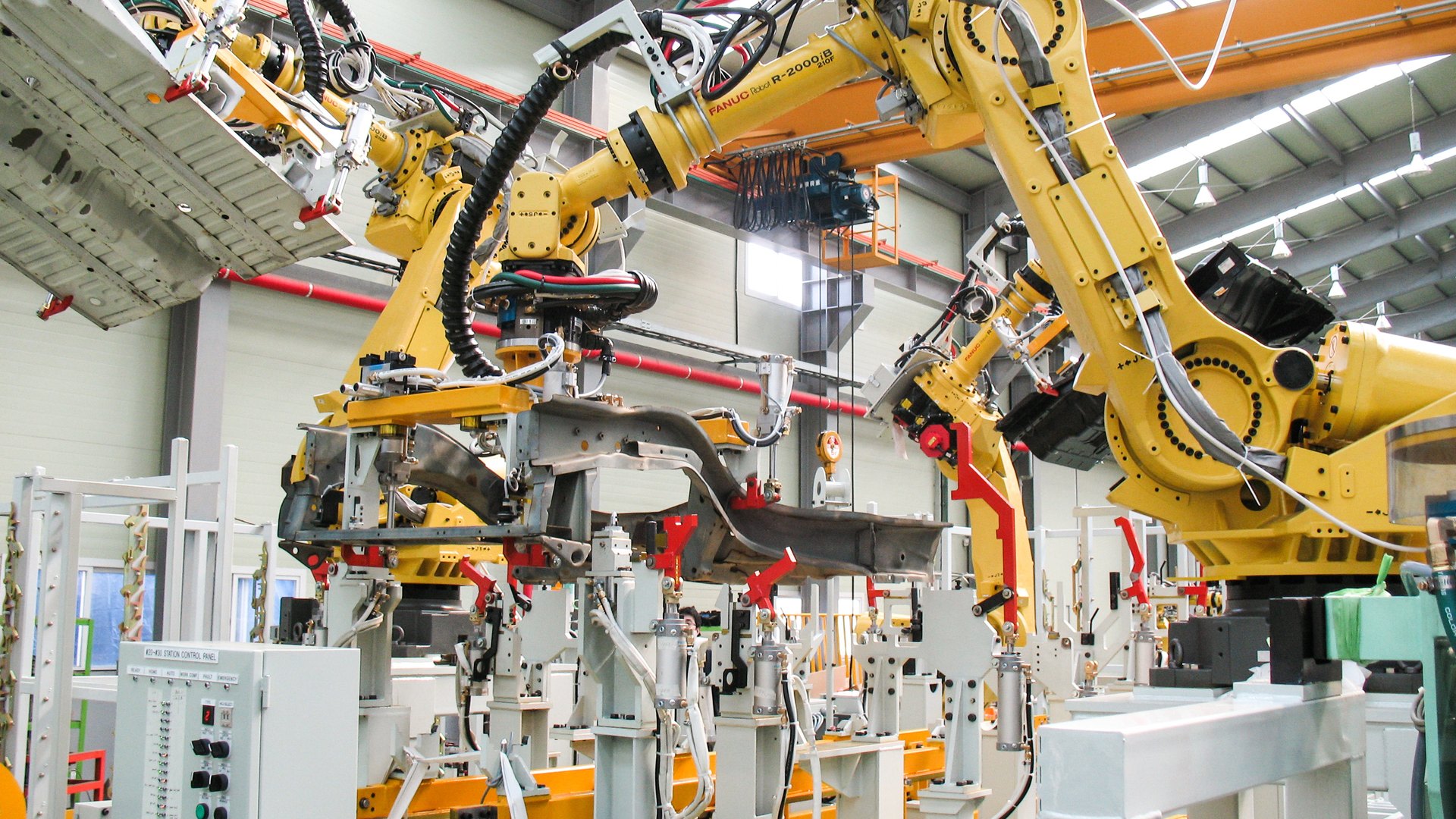
Europe's chip suppliers are warning of a new automotive chip shortage as the AI data-center boom pulls factory and packaging capacity away from the low-cost parts that cars depend on. Nexperia, the Dutch maker of diodes and transistors, is "totally oversubscribed," interim Chief Executive Stefan Tilger told Reuters at the electronica trade fair in Munich on Nov. 10. "The automotive industry is suffering at the moment quite heavily," Tilger said, adding that some competitors had moved capacity away from the commodity semiconductors Nexperia supplies. A day earlier, STMicroelectronics Chief Executive Jean-Marc Chery told a CEO panel that foundries and chip-packaging firms were shifting resources away from automotive and industrial products. "We see many bottlenecks," he said, according to Reuters. The stakes are about money as much as supply. Parts makers renegotiate chip contracts each year, and the first price signals for 2027 point sharply higher, just as carmakers such as BMW cut margin forecasts. Why is AI demand causing an automotive chip shortage? Cars rely on mature-node chips such as power transistors, diodes, microcontrollers and memory, made on older production lines. As capacity tightens, manufacturers are prioritizing higher-margin products linked to AI data centers. Chery said some foundries and assembly firms that once served a broad range of customers "are disengaging ... from mainstream technology." Tilger said demand from AI data centers and robotics was absorbing capacity, while investment in the mature technologies used for diodes and transistors had lagged for years. Diodes, transistors and other basic electronic components. Aumovio, the former Continental unit that supplies BMW, Volkswagen, Ford and BYD, said on Nov. 5 that the squeeze is set to "explode" in 2027. Interim finance chief Claus Bauer expects a gross hit of about 1 billion euros next year from higher material prices, mainly chips, according to Bloomberg. He said data centers buy with "no price sensitivity whatsoever." How much will chip prices rise in 2027? Early numbers come from Asia's contract manufacturers. Taiwan's Powerchip Semiconductor Manufacturing said in October it plans to raise mature-node wafer prices by 10% to 20% in 2027. About 80% of its planned 2027 capacity for MOSFET and IGBT power devices is already covered by long-term supply agreements, and it will serve contracted customers first. Infineon Technologies, which held 36% of the automotive microcontroller market in 2025, raised prices in April and July, mainly on power chips. At its annual press conference in Munich on Nov. 10, an executive said "the scarcity is going far beyond power semiconductors in 2026" and that the company expects "a positive price environment" for 2027, without giving figures while talks with carmakers continue. Memory is tighter still. TrendForce projected in July that contract prices for single-level cell NAND, used in electronic control units and driver-assistance systems, would rise 120% to 170% in the second half of 2026. Automotive DRAM prices had risen about 70% since December, according to S&P Global Mobility data cited by Reuters, a trend covered in an earlier piece on the memory chip shortage. Which carmakers and suppliers are most exposed? Production lines are already showing strain, though not every stoppage is about chips. Stellantis has warned of Fiat disruptions in Italy tied to a missing engine-control component, as an earlier piece on the Stellantis chip shortage described. BMW this week cancelled shifts at its Regensburg and Leipzig plants and its Mini plant in Oxford because of a short-term parts shortage. BMW did not name the parts; Handelsblatt reported wiring harnesses. A single shift can mean several hundred cars. Robots paint a car body at Renault's Flins plant near Paris. Chipmakers with their own fabs say they are better placed. "We control a part of our future with our CapEx and our manufacturing," Chery said. ST said on Oct. 29 that demand "remains well above supply" and that it continues to expand capacity. Infineon Chief Executive Jochen Hanebeck said its expansion had been "timed to perfection" and that it can serve all markets without a mass redistribution of supply. Infineon's results show where the growth is. The company reported fiscal 2026 revenue of 16.353 billion euros and guided to about 20 billion euros for fiscal 2027, with data-center power supply revenue expected to approach 4 billion euros. It said orders kept rising on widening supply constraints. What are the risks and what comes next? The squeeze could ease if AI spending slows; Bauer said power-generation limits could eventually cap data-center growth. But carmakers cannot switch suppliers quickly, since swapping a part can mean months of safety retesting. The next test is the annual contract round at the start of the year, when suppliers such as Aumovio set chip prices and try to pass them on. How much of that 2027 bill the car industry can absorb will shape European auto margins well before the next new factory comes online. Quick facts What: Nexperia and STMicroelectronics warned at electronica in Munich on Nov. 9-10, 2026 that AI demand is creating bottlenecks in automotive chip supply Cost: Aumovio expects a gross hit of about 1 billion euros in 2027 from higher material prices, mainly chips Prices: Powerchip plans 10% to 20% higher mature-node wafer prices in 2027; Infineon expects a positive price environment Next: annual chip contracts for parts makers such as Aumovio reset at the start of 2027 Sources: company statements from Infineon, STMicroelectronics and Powerchip, and Reuters, Bloomberg, dpa and Handelsblatt reporting.