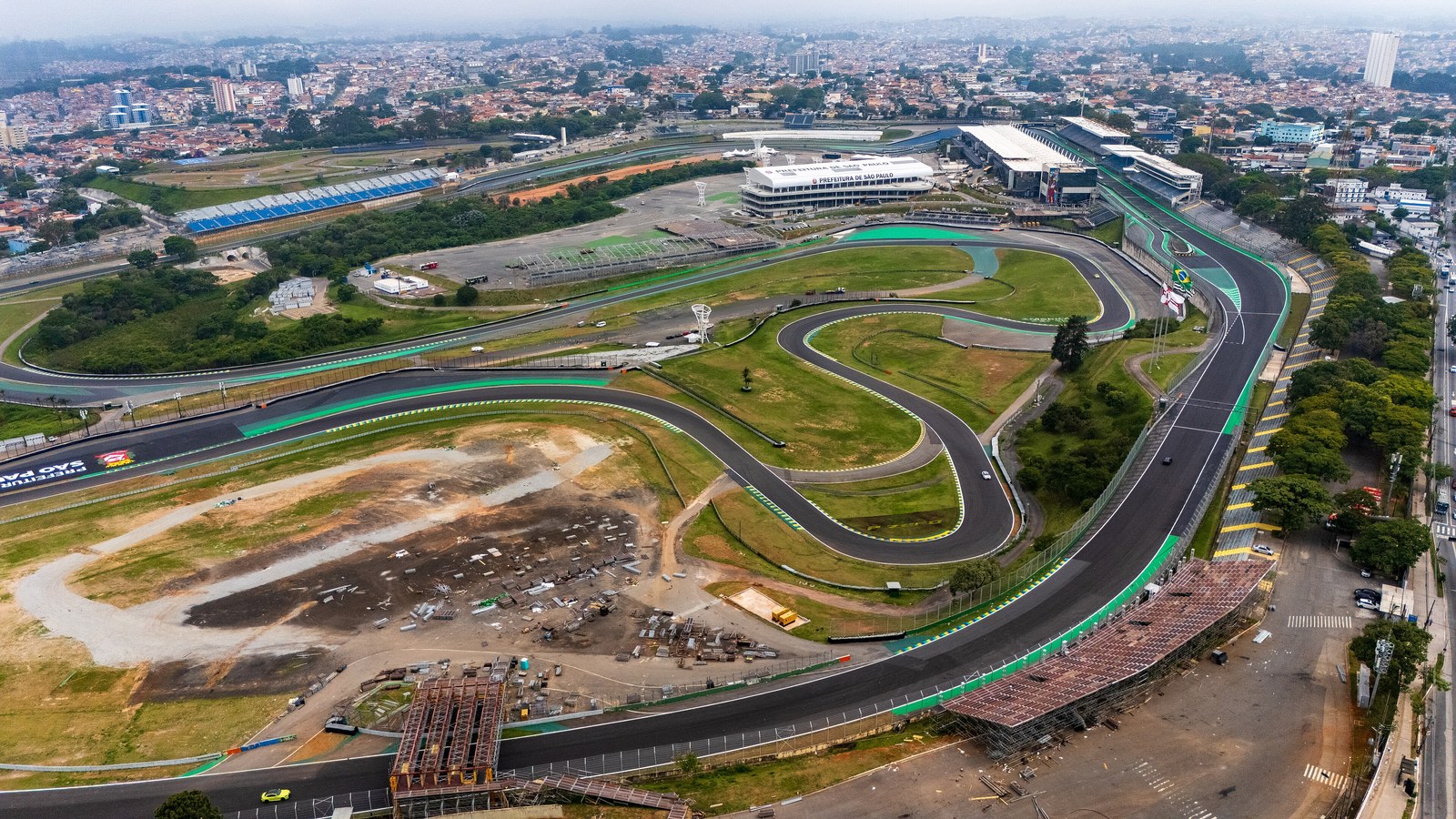
F1 logistics faced one of the season’s tightest tests this week as the championship moved from Mexico City to São Paulo with only seven days between races. Since Oct. 28, nine cargo flights led by a Boeing 777 have carried about 800 tons of material into Viracopos airport in Campinas for the São Paulo Grand Prix, DHL told Brazilian outlet AutoPapo. The back-to-back closes a triple-header in the Americas that began in Austin on Oct. 25. For teams, the stakes are operational as much as sporting: cars, engines and broadcast systems have to be packed, flown, cleared through customs and rebuilt at the next circuit within days. Without that air bridge, DHL says, there would be no race the following Sunday. Where does the F1 championship stand after Mexico City? The title fight is already settled. Mercedes driver Kimi Antonelli clinched the 2026 drivers’ championship by finishing third in Mexico City on Nov. 1, becoming the youngest champion in Formula 1 history, according to formula1.com. Max Verstappen won that race for Red Bull ahead of Ferrari’s Lewis Hamilton. The constructors’ race is still open on paper. Official standings show Mercedes on 630 points and Ferrari on 504 before the São Paulo weekend. Antonelli said after Mexico City that the team wants to finish the season by clinching the constructors’ championship. At Interlagos, McLaren’s Lando Norris took pole position for the São Paulo Grand Prix in 1:27.470, ahead of George Russell and Antonelli. An F1 team garage in the pit lane, rebuilt at every round of the calendar How does F1 freight move between races? The system runs on three modes, according to DHL, Formula 1’s official logistics partner. Ocean freight carries the bulk of the load: garage structural kits, hospitality suites and fan zones. Teams send five or six identical sets of sea containers on long rotations around the globe. Air freight carries what cannot be rotated. Cars, engines, race-critical technology and F1’s broadcast equipment all fly. DHL says critical gear is packed as soon as the chequered flag falls, often overnight, so that by 10 a.m. on Monday most air freight has already departed for the next circuit. Road freight links the two, moving shipments from ports and airports to the track. DHL said it moved up to 1,200 metric tons of equipment per event in 2025. For 2026, the company told AutoPapo, it handles up to 1,300 tons of cargo, including cars, television equipment and hospitality structures. Why is the Mexico City to São Paulo double-header so demanding? DHL describes the Mexico-to-Brazil leg as another demanding logistical challenge, with race cars, equipment and infrastructure delivered across international borders in one week. In Mexico City, the company cited cross-border customs procedures, tight delivery windows and the demands of an expanded 11-team grid. Customs is a recurring cost of the calendar. Every shipment needs precise documentation, and some require multiple clearances before entering a country, DHL says. In Brazil, cargo lands at Viracopos and travels by truck to Interlagos. Because of the value of the equipment, the trucks leave the airport under escort, according to DHL. It is the 25th consecutive time the airport has received and dispatched the championship’s freight. A DHL Boeing 777 freighter, the type that led the F1 air freight flights into Brazil What does the paddock schedule mean for team operations? The pressure falls on people as well as planes. Giorgia Tirabassi, DHL’s motorsport logistics operations manager, leads about 50 specialists who rotate between races and estimates she spends more than 200 days a year away from home, AutoPapo reported. The 2026 calendar has five double-headers and three triple-headers, the outlet noted. “The race calendar does not change, so we need to find a way to make the deliveries,” Tirabassi said in comments published in Portuguese. Cost and emissions shape the same decisions. Formula 1 reported a 35% reduction in its carbon footprint against a 2018 baseline in its 2026 sustainability report, and plans to shift more than 50% of current broadcast and related freight from air to sea or regional hubs. The 2026 calendar was also reshuffled for freight efficiency, with Canada moved next to Miami so some equipment can travel directly between the two, according to formula1.com. Logistics is one more line in the budgets behind how F1 teams make money. Open questions remain. Air freight is still the only option for cars and engines on one-week turnarounds, and the Americas swing has repeated that pattern since the US Grand Prix in Austin. How much of that load can move to sea depends on future calendars grouping races more tightly by region. Quick facts Race: São Paulo Grand Prix, Nov. 6–8, Interlagos, 71 laps on a 4.309 km circuit; Norris on pole. Freight into Brazil: About 800 tons on nine cargo flights via Viracopos since Oct. 28, per DHL. Freight modes: Air for cars, engines and broadcast kit; sea for garages and hospitality; road to the track. Next stop: Nine flights carry the freight on to Las Vegas, which hosts its race weekend Nov. 19–21. After Las Vegas, the calendar closes with Qatar and Abu Dhabi. DHL says the Saturday-night race in Las Vegas leaves just enough time for freight to cover about 8,000 miles across ten time zones to Qatar by Tuesday morning. Sources: Formula 1 results and sustainability reporting, DHL logistics information and AutoPapo reporting.