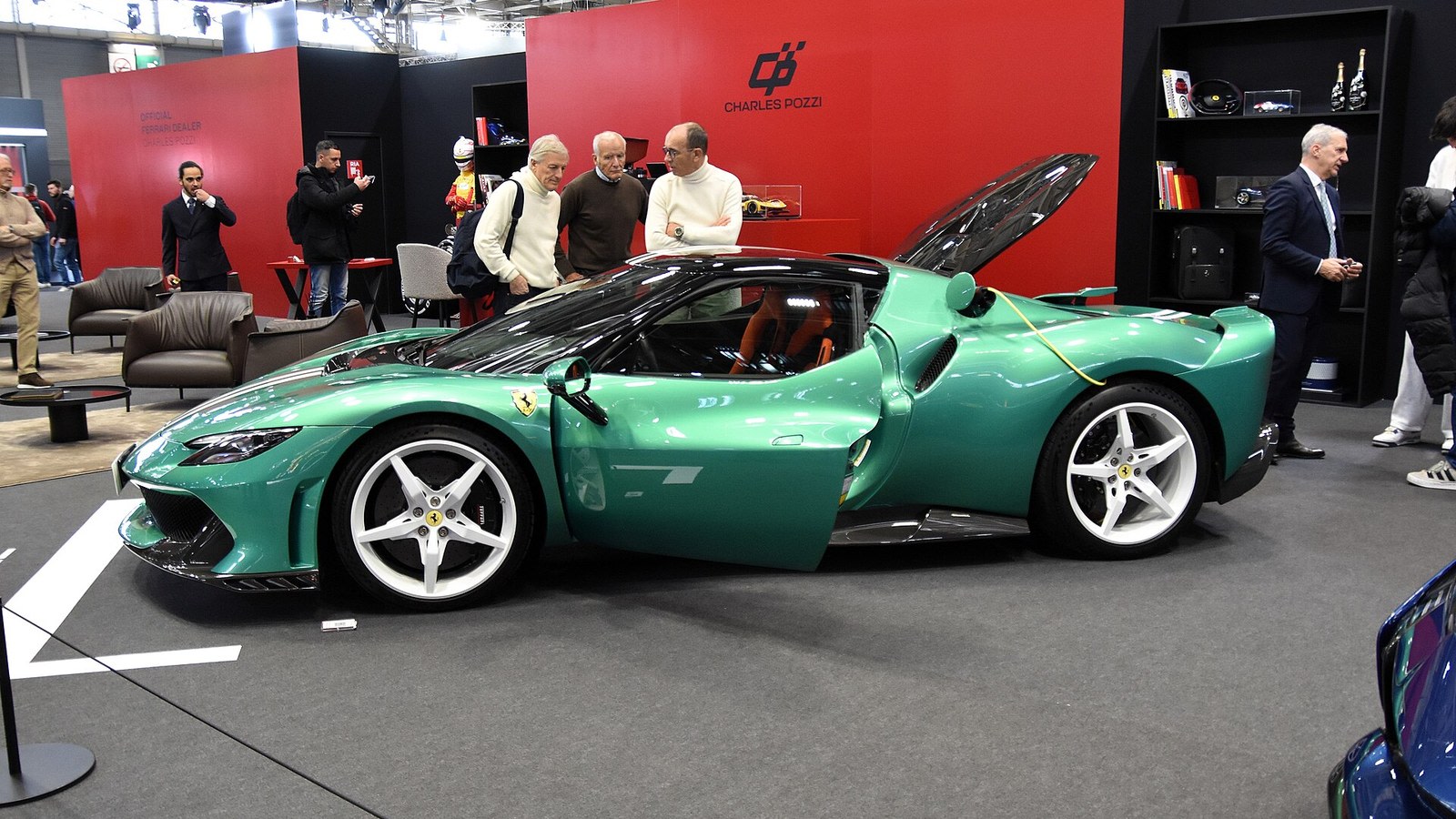
Ferrari earnings rose again in the third quarter even though the Italian carmaker shipped fewer cars, and the company raised its 2026 guidance for the second quarter in a row. Net profit climbed 13% to €431 million on revenue up 7% to €1.896 billion, Ferrari said Tuesday, as wealthy buyers spent more on each car through costly options and the €3.6 million F80 supercar. The numbers matter because they show a business model that rarely appears elsewhere in the car industry. While mass-market rivals in Europe fight over volume and thin margins, Ferrari lifted its operating margin to 29.7% while deliveries slipped by 33 units to 3,368. Milan-listed shares closed up 4.47% at €375, the best performer on the FTSE MIB index, according to ANSA. What drove Ferrari third-quarter results? Two forces did most of the work, according to the company's results release: a richer mix of expensive models and higher spending on personalization. Revenue from cars and spare parts rose 7% to €1.586 billion. Operating profit, or EBIT, rose 12% to €563 million and EBITDA increased 12% to €753 million, a 39.7% margin. That figure topped a €739 million consensus in a Reuters poll. Industrial free cash flow jumped 43% to €567 million, leaving Ferrari with net industrial cash of €219 million at the end of September after €173 million in share buybacks. The F80, a limited-edition hybrid hypercar, played an outsize role. Chief Financial Officer Antonio Picca Piccon said on the earnings call that F80 deliveries were still "within the region of 50 units" a quarter. Special series made up about 22% of shipments in the quarter, up from roughly 13% in the first half, according to figures discussed on the call. The limited-edition F80 hypercar lifted Ferrari's product mix in the quarter. How much do Ferrari personalization options add? Personalizations, the paid extras such as carbon-fiber parts, special paint and bespoke cabins, exceeded 21% of revenue from cars and spare parts in the quarter, Picca Piccon said. Ferrari had started the year guiding for about 20%. That implies options worth more than €330 million in the three months. Chief Executive Benedetto Vigna said an earlier shortage of carbon fiber is no longer a bottleneck. "We have been able to nail down some good, let me say, contract on the supply side. That is not the limiting factor," Vigna said. The catch is visibility. Clients can finalize options until three or four months before delivery, the CFO said, so that revenue is harder to forecast. This year's unusual cluster of special series is also expected to normalize. What is in the new Ferrari 2026 guidance? Ferrari now expects 2026 revenue of about €7.65 billion, up from about €7.6 billion, adjusted EBITDA of at least €3 billion and adjusted diluted earnings per share of at least €9.85. Industrial free cash flow is now seen at up to €1.65 billion, from at least €1.55 billion. The company cited stronger personalizations, smaller currency headwinds and its second place in the Formula 1 championship. For more on how racing income works, see this explainer on how F1 teams make money. The upgrade implies fourth-quarter revenue of roughly €1.97 billion, about 9% above the same period last year. RBC Capital Markets analyst Tom Narayan told CNBC the shares might face "slight pressure" because some investors had hoped for a bigger raise, but said the results were healthy. Currency remains a drag. Picca Piccon estimated the full-year foreign-exchange hit at €150 million to €200 million. Ferrari hedges about 70% of its exposure on a rolling 12-month basis. The 12Cilindri family is part of a broad model changeover that has kept shipments flat this year. Is the Ferrari Luce electric car selling? Ferrari's first fully electric model, the Luce, begins its first customer deliveries this quarter. Vigna said all cars the company plans to sell in 2027 are already allocated, before media and client test drives begin in the first quarter of next year. "If someone comes, he has to wait one year to get the cars," he told analysts. The first Luce sold for a record $40 million at auction during Monterey Car Week. That reception contrasts with the wider European car industry, where electric models have weighed on profits at groups such as Volkswagen. Ferrari has not disclosed Luce volumes or the split between new and repeat buyers. What are the risks for Ferrari shares? China is the clearest soft spot. Shipments to mainland China, Hong Kong and Taiwan fell to 143 from 248 a year earlier, and are down 176 units over nine months. Vigna attributed the China decline to the model changeover and said fourth-quarter shipments would rise year over year. Costs are also climbing. Depreciation and amortization will keep rising as new models enter production, and marketing and event spending will be higher in the fourth quarter, the CFO said. Ferrari has offered no 2027 guidance and will update investors in February. The next test comes within weeks. Ferrari plans to unveil two more models before year-end, and the first Luce cars are due on the road by the end of the year. Whether personalization stays above 20% once the special-series wave fades will show how much further a carmaker that deliberately keeps volumes low can stretch its margins. Quick facts Q3 2026 revenue: €1.896 billion, up 7% (about 10% at constant currency). Q3 net profit: €431 million, up 13%; diluted EPS €2.44. Shipments: 3,368 cars in the quarter and 10,170 in nine months, 318 fewer than a year earlier. 2026 guidance: revenue about €7.65 billion, adjusted EBITDA at least €3 billion, industrial free cash flow up to €1.65 billion. Sources: company results and earnings call, with Reuters, CNBC and Italian market reporting.