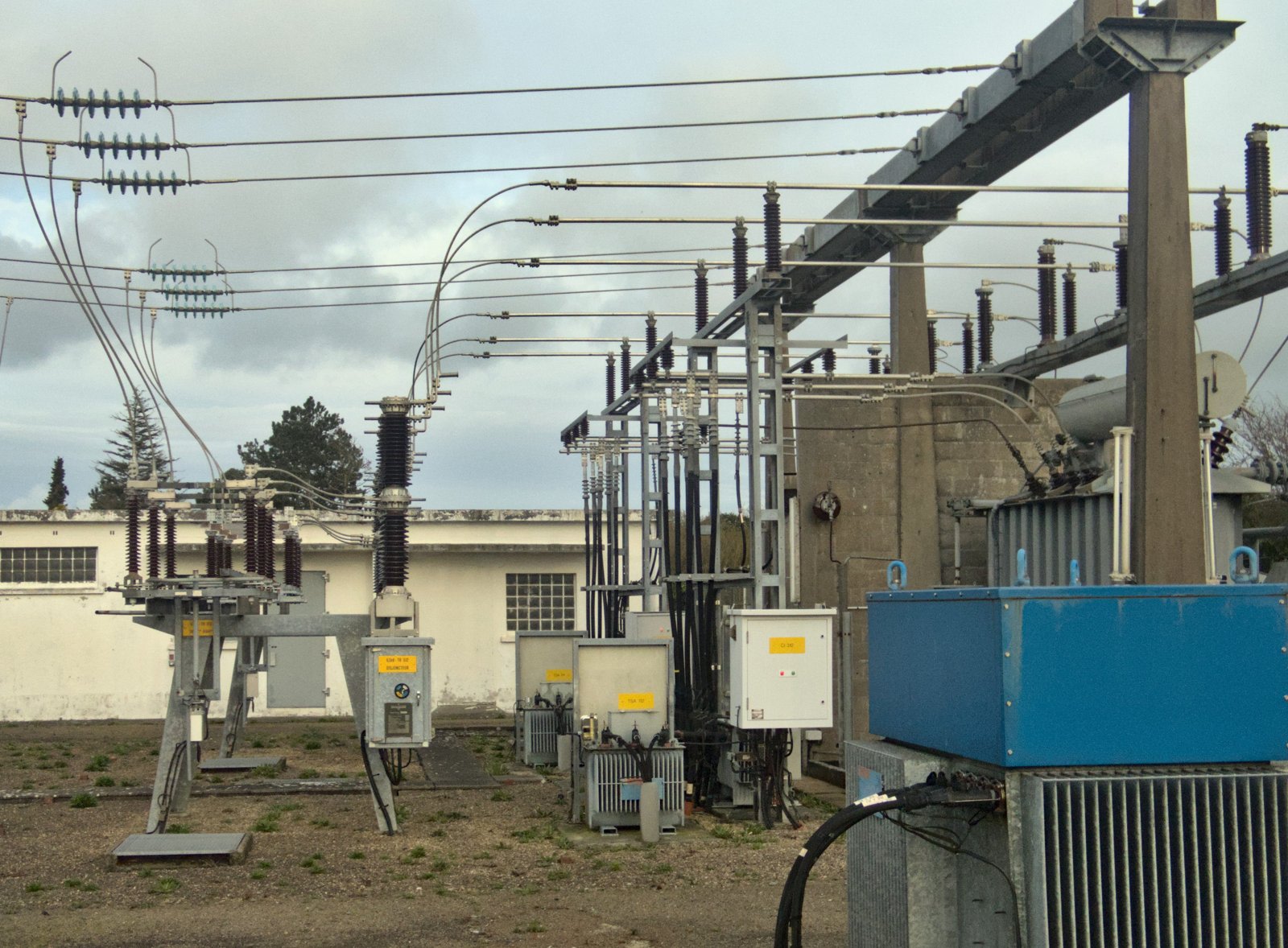
The GE Vernova Trench deal, announced Wednesday, will see the power-equipment maker buy high-voltage grid equipment supplier Trench Group from investment firm Triton Partners for $9.0 billion, as utilities pour money into transmission networks to meet electricity demand from data centers and industrial electrification. The company paired the acquisition with third-quarter results that showed orders up 96% organically to $29.3 billion and a record backlog of $197 billion, and it raised its 2026 revenue forecast to $46.5 billion to $47.5 billion from $45.5 billion to $46.5 billion, the third increase this year. GE Vernova shares still fell more than 3% to about $863 in morning trading, Reuters reported. Why does the Trench acquisition matter? Grid equipment has become one of the tightest bottlenecks in the artificial-intelligence buildout. Power plants and data centers can be planned quickly, but bushings, instrument transformers and high-voltage coils that connect them to the grid are made by a small number of specialist suppliers. By buying Trench, an existing supplier, GE Vernova gains control of part of its own supply chain and adds capacity at a time when customers are competing for factory slots. Chief Executive Scott Strazik told analysts the deal positions the company for a global high-voltage market expected to reach $130 billion by the end of the decade, according to Reuters. The risk is price: GE Vernova is paying about 13 times Trench's expected 2028 adjusted earnings before interest, taxes, depreciation and amortization before synergies, a full multiple that assumes the grid spending cycle lasts well beyond the 2027 closing. What is GE Vernova paying for Trench Group? Trench, which has more than 3,000 employees across 11 manufacturing sites, expects about $1.9 billion in revenue in 2028 at an adjusted EBITDA margin of roughly 36%, GE Vernova said. Its quarterly filing put the price at about 8.0 billion euros. GE Vernova plans to fund the deal equally with cash and debt and expects $50 million to $100 million in annual cost savings by 2030. The purchase brings a backlog of about $5 billion and a facility in Charlotte, N.C., where production of 765-kilovolt equipment is expected to begin in late 2027. The deal follows the February purchase of the remaining 50% of transformer maker Prolec GE for $5.2 billion, and extends a broader rush of capital into AI infrastructure, from chips to financing for data-center compute. How did GE Vernova perform in the third quarter? Revenue rose 27% to $12.6 billion, or 18% organically, and adjusted EBITDA reached $1.9 billion, topping analysts' estimates compiled by LSEG. Free cash flow was $5.4 billion. Power orders nearly tripled on gas-turbine demand, and Electrification revenue rose 51%. The board doubled the share buyback authorization to $20 billion. The wind business remains a drag, with a 2026 EBITDA loss of $400 million to $500 million expected. The Trench purchase still needs regulatory approvals. Investors will watch whether GE Vernova can keep converting a record backlog into margin growth through 2027, and whether utilities sustain transmission budgets long enough to justify the price. Quick facts Deal: GE Vernova to buy Trench Group from Triton Partners for $9.0 billion Trench 2028 outlook: about $1.9 billion revenue, roughly 36% adjusted EBITDA margin Expected close: late 2027, funded half cash and half debt GE Vernova Q3: orders $29.3 billion, revenue $12.6 billion, backlog $197 billion 2026 revenue guidance: $46.5 billion to $47.5 billion Sources: company statements and filings, and Reuters reporting.