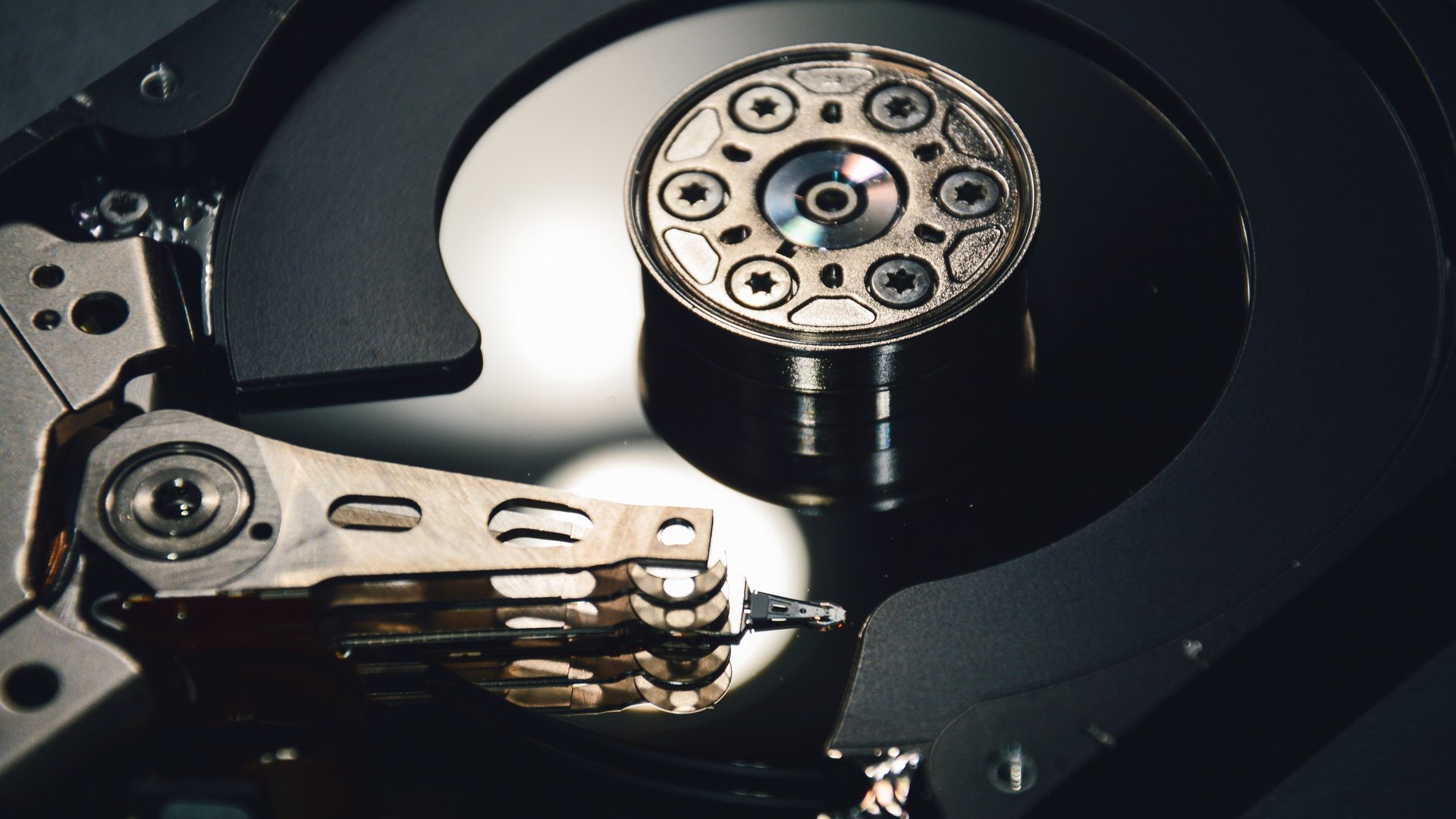
A hard drive shortage driven by artificial-intelligence data centers has left Seagate Technology with most of its high-capacity output spoken for through 2028, the company said this week, as it reported a 61% jump in quarterly revenue and record margins. Seagate said the vast majority of its nearline exabyte supply, the high-capacity drives sold mainly to cloud data centers, is now allocated under long-term agreements through calendar 2028, with some cloud contracts running to 2030. The disclosure matters beyond one company. Three companies dominate hard drive production, and the industry is choosing to grow by packing more data onto each disk rather than building many more drives. The result is a supply chain where buyers are committing years ahead, prices are rising and the main question for investors is how long the tightness lasts. How strong were Seagate earnings this quarter? For the quarter ended Oct. 2, Seagate reported revenue of $4.23 billion, up from $2.63 billion a year earlier, according to its earnings release. Adjusted gross margin reached 57.8%, compared with 40.1% a year before, and adjusted earnings were $7.68 a share. Free cash flow hit a record of about $1.5 billion. The company guided to revenue of $4.8 billion, plus or minus $100 million, for the December quarter and adjusted earnings of about $9.20 a share, both above analyst forecasts. The shares still fell about 6% after the report, a reaction that mirrored the drop in rival Western Digital after its own strong results last week. Wedbush analyst Matt Bryson told CNBC the implied margin guide of about 60% suggested gross-margin growth was slowing. Why is there a hard drive shortage? Demand for mass storage has outrun the industry’s ability to add capacity. Seagate shipped 220 exabytes of storage in the quarter, up 21% from a year earlier, with data center customers taking 90% of that volume. Revenue grew far faster than volume, a sign that price per terabyte is doing much of the work. Chief Executive Dave Mosley tied the demand to AI moving from training models toward inference and so-called agentic software, which generates and reuses large amounts of data that must be kept. Chief Financial Officer Gianluca Romano said on the call that the gap between supply and demand was probably still widening. Western Digital described a similar market. It reported revenue of $4.38 billion for the same period, up 55%, shipped 248 exabytes and guided to about $5.1 billion in revenue for the December quarter with gross margins of 60% to 61%. A 30-terabyte data center hard drive beside a transparent model of its internal parts How do hard drive makers add AI data storage capacity? Mostly by raising areal density, the amount of data stored on a given area of each disk platter. Seagate is moving its line to heat-assisted magnetic recording, or HAMR, which uses a laser to briefly heat a spot on the disk so bits can be written more tightly. Its Mozaic 4 drives offer up to 44 terabytes, and the company expects HAMR to make up roughly half of its nearline exabyte shipments as it exits 2026. A 50-terabyte-plus generation is due to start customer qualification late in 2027. The approach keeps unit output roughly flat while capacity per drive climbs. Seagate is holding capital spending at 4% to 6% of revenue and said it is buying additional tools to offset longer manufacturing cycle times that come with HAMR. Mosley described adding meaningful drive capacity as an intricate supply chain balance that is far harder than plugging in a few machines. A read-write head resting over the platter of a hard disk drive Could new supply ease storage prices? The clearest threat to pricing comes from the third major producer. Earlier this month Nikkei reported that Toshiba plans to invest about 60 billion yen, roughly $400 million, to double its hard drive production capacity by fiscal 2027, centered on its factory in the Philippines. Toshiba holds just over 10% of the market by capacity and has set a medium-term goal of 30%, according to the report. Seagate and Western Digital shares fell sharply on the news before several brokerages argued the extra output would land in a market that remains undersupplied. Costs are another pressure point. Romano said externally sourced components cost much more than a year ago, partly offsetting Seagate’s internal savings, and that the company passes such increases into new contracts when it has visibility. The pattern echoes the memory market, where AI demand has also pushed up prices, as seen in SK hynix earnings this week. For now, Seagate’s build-to-order contracts set configuration and pricing for nearline shipments through 2027, and talks on 2028 pricing are due over the next few quarters. Those negotiations will show whether the hard drive shortage is still giving suppliers the upper hand. Quick facts Seagate September-quarter revenue rose 61% to $4.23 billion, with an adjusted gross margin of 57.8%. Most of its nearline drive supply is allocated under long-term deals through 2028, some to 2030. Seagate shipped 220 exabytes, and Western Digital shipped 248 exabytes in the same quarter. Toshiba plans to double hard drive capacity by fiscal 2027, according to Nikkei. Sources: company filings, earnings calls and Nikkei reporting.