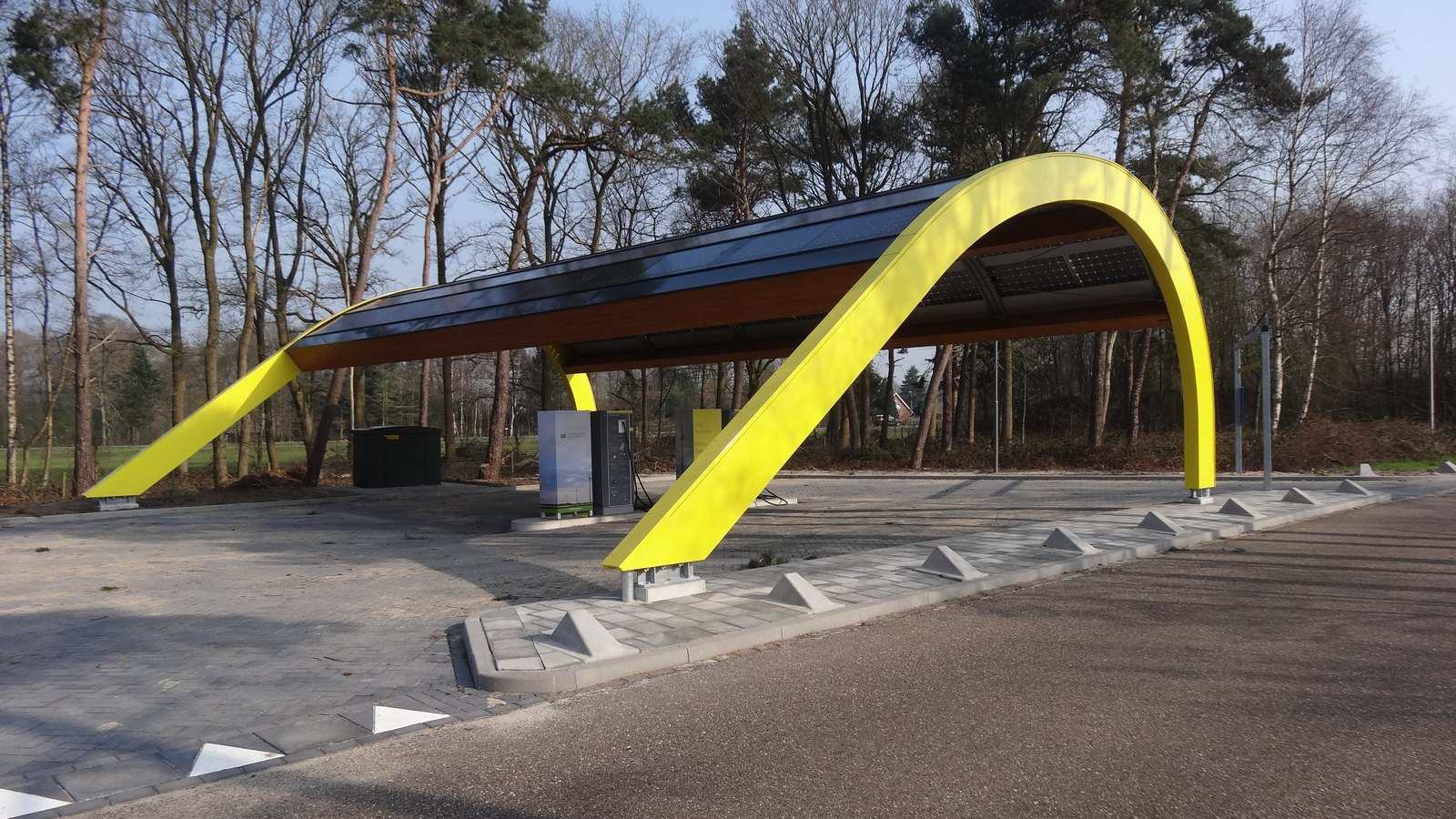
LFP batteries are moving from China's budget electric cars into the plans of Europe's biggest automakers. Stellantis plans to switch "many" of its European models to lithium iron phosphate cells from 2027, and BMW confirmed the cheaper chemistry will join its Neue Klasse range. The shift matters because battery cost now decides whether European carmakers can sell electric cars profitably. Lithium iron phosphate, or LFP, powers more than half of the world's EV batteries but only about one in ten in the European Union, according to the International Energy Agency, and Europe has almost no factories that make it. Why are European carmakers switching to LFP batteries? The short answer is price. LFP battery prices fell more than 15% in 2025, compared with less than 5% for nickel-based NMC batteries, leaving LFP on average more than 40% cheaper, the IEA said. LFP cells contain no nickel or cobalt. Cobalt prices rose about 130% across 2025 and early 2026, largely because of export restrictions in the Democratic Republic of Congo, according to IEA figures cited by Automotive Logistics. Stellantis Chief Executive Antonio Filosa told analysts on the company's third-quarter call that the chemistry change would deliver "substantial" savings, calling it one of two "very important competitive moves" for 2027. He did not name the models. The other move is STLA One, a platform that folds five architectures into one and targets 20% cost efficiency. The pressure shows up in the numbers. Stellantis's EU30 sales of battery-electric passenger cars rose 65% year over year in the third quarter, yet its Enlarged Europe region posted an adjusted operating loss of €311 million, €468 million worse than a year earlier. Finance chief Joao Laranjo blamed a mix tilted toward electric cars and persistent pricing pressure. Volkswagen has described a similar squeeze, as covered in the Volkswagen third-quarter loss. LFP batteries already dominate globally but remain a niche in Europe Will BMW use LFP batteries in the Neue Klasse? Yes, but selectively. Speaking on BMW's third-quarter earnings call, Chief Executive Milan Nedeljković said the Neue Klasse starts with NMC chemistry in cylindrical cells, which he called "superior in the market" for range. "So we will add the LFP technology in our vehicles, but we will be very specific in which vehicle and for which purpose," he said, adding that "it will not be a generic exchange or a generic offer in all segments." BMW already offers the split in China, where the entry-level iX3 30L uses a 77-kilowatt-hour LFP pack rated at 630 kilometres on the Chinese CLTC cycle, while pricier versions keep NMC, BMWBlog reported. The trade-off is energy density: LFP packs are heavier for the same energy and can charge more slowly in the cold. The rollout follows a difficult autumn for the Munich company, which issued a second profit warning this month. Cylindrical lithium-ion cells, the format BMW chose for its first Neue Klasse packs Where will Europe make LFP cells? Mostly through joint ventures with Chinese battery makers. The IEA says nearly all LFP batteries used in EU electric cars in 2025 came from China, about 30% imported as batteries and nearly 70% already installed in imported vehicles. Stellantis and CATL are building a €4.1 billion LFP plant in Zaragoza, Spain, with planned capacity of up to 50 gigawatt-hours a year. It was first due to open by the end of 2026, but Spanish news agency EFE reported that production will probably begin in 2027. Volkswagen's battery unit PowerCo is taking a similar route with Gotion High-tech. Gotion shareholders on Oct. 20 approved three joint ventures worth about €3.22 billion, ESS News reported. They cover a 29.1-gigawatt-hour cell plant in Valencia, Spain, an 8.4-gigawatt-hour plant in Šurany, Slovakia, and 100,000 metric tons a year of cathode material in Kenitra, Morocco. In its announcement of the partnership, Volkswagen said LFP's share of the European market could rise from about 10% to between 40% and 60% by 2030, and that "Europe currently has no relevant LFP battery production capacity." "We are now expanding our partnership into joint industrial production of LFP batteries to strengthen Europe's battery industry," said Thomas Schmall, Volkswagen's board member for technology. What are the risks for carmakers? Timing is the first. The Gotion deals still need regulatory clearances, and purchase volumes and final commercial terms remain subject to later agreements. Zaragoza has already slipped a year. Pricing is another: the IEA warns that many LFP cathode producers are operating at a loss, which raises questions about whether today's record-low prices can last. Cost gaps also persist. Battery packs in China were 35% cheaper than in Europe in 2025, the IEA said. Local LFP cells will need to narrow that gap. The Tabbicus guide on how EV batteries work explains how NMC and LFP cells differ. Fast chargers at a Dutch motorway service area The first test comes in 2027, when Stellantis's STLA One cars and its LFP switch arrive together. Whether cheaper cells reach European showrooms on time may depend less on chemistry than on how fast the new plants in Spain and Slovakia start running. Quick facts What is an LFP battery? A lithium-ion battery with a lithium iron phosphate cathode that uses no nickel or cobalt. Global share: More than 55% of EV batteries deployed in 2025, up from nearly 50% in 2024, per the IEA. EU share: Just over 10% in 2025, almost all sourced from China. Next milestones: Stellantis LFP models from 2027; PowerCo and Gotion plants in Valencia and Šurany pending approvals. Sources: company announcements and earnings calls, International Energy Agency data, and reporting by Automotive Logistics, BMWBlog and ESS News.