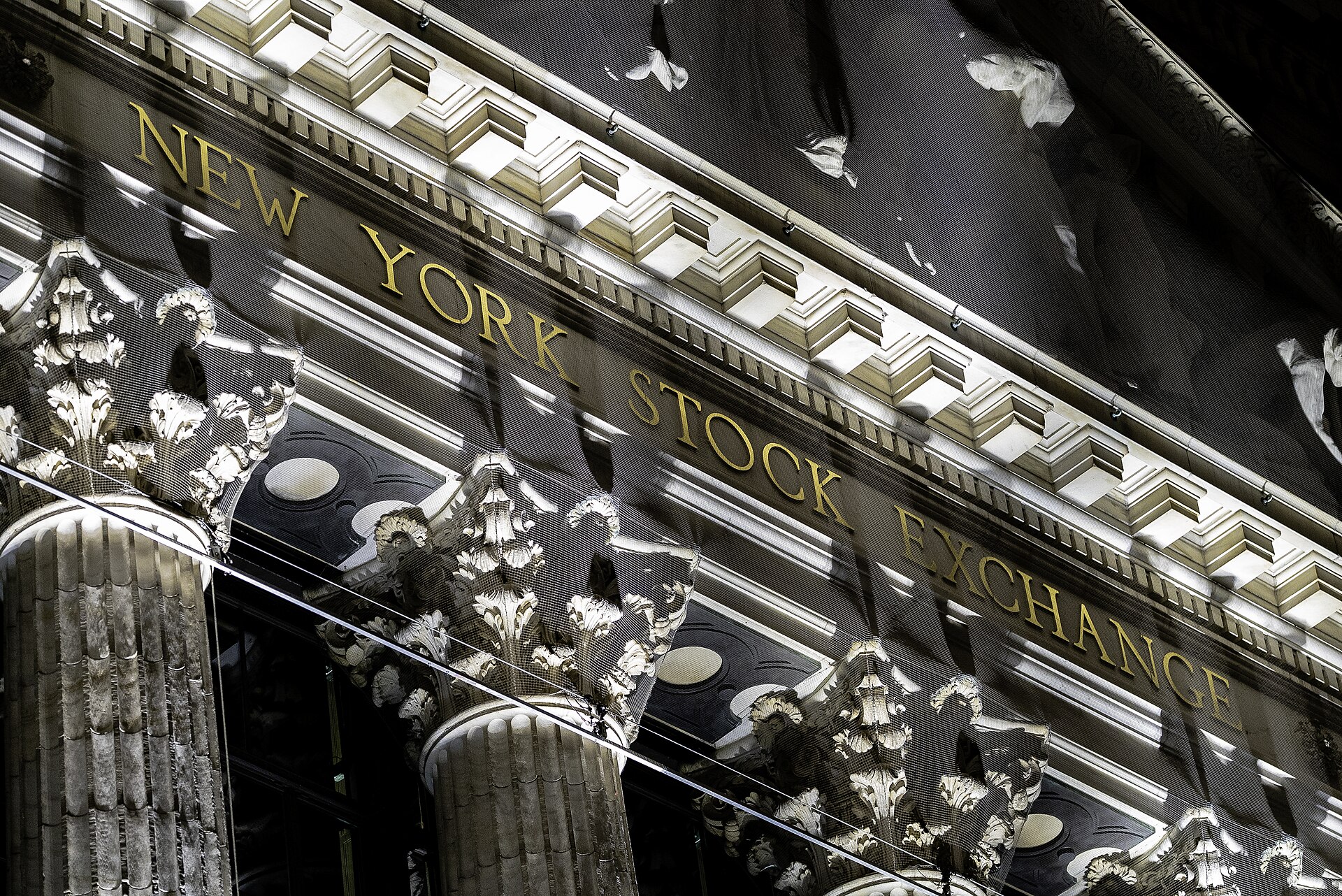
A Nvidia SEC probe into the chipmaker's accounting, reported by Reuters on Friday, deepened a selloff in technology shares that pushed the S&P 500 and the Dow Jones Industrial Average into correction territory. Nvidia shares fell 13.8% on Nov. 20, closing at $125.53, after Reuters cited two people briefed on the matter as saying Securities and Exchange Commission enforcement staff were scrutinizing potential accounting issues at the company. The SEC declined to comment, and Nvidia did not immediately respond to Reuters. Reuters could not establish when the inquiry began or which practices were under review. Why it matters: Nvidia is the largest supplier of the chips behind the AI buildout, and its results have anchored the argument that AI spending is turning into real revenue. Questions about how that revenue is reported strike at the center of the trade that drove this year's market rally, just as investors were already doubting the returns on heavy AI investment. What is the SEC examining at Nvidia? The Wall Street Journal reported on Nov. 17 that the SEC was investigating Nvidia but did not identify the focus. Friday's report added that accounting is a focus, without naming specific matters. Renewed attention has fallen on a reporting change Nvidia made last year, when it began assigning revenue by customer headquarters rather than billing address, a shift that removed Singapore as a separately reported region. Reuters did not establish that this change is part of the review. The report landed days after Nvidia posted third-quarter revenue of $115.8 billion, up 103% from a year earlier, its first results since the resignation of Jensen Huang as chief executive. Interim CEO Colette Kress, who remains chief financial officer, said on the earnings call that Nvidia would be more selective about AI-industry financing deals. According to CNBC figures cited by The Verge, the stock has lost about 46% over seven weeks. How far did US stocks fall on Friday? The S&P 500 lost 3.70% to 6,910.42, the Nasdaq Composite fell 5.28% to 22,617.73 and the Dow dropped 949.73 points, or 1.93%, to 48,147.33, Reuters reported. The S&P 500 and the Dow both closed more than 10% below their record highs, the common definition of a correction. The S&P 500 fell for a seventh straight session, its longest losing streak since February 2020, and the Nasdaq slipped into negative territory for the year. Anthropic shares fell 9.1% in their second day of trading, after closing their debut 17.1% above the $83 offering price. Neocloud operators CoreWeave and Nebius fell 12.1% and 16.1%, Meta dropped 5.9% and Amazon 3.9%. The Philadelphia SE Semiconductor Index, up as much as 106.6% for the year in mid-June, has trimmed its year-to-date gain to 18.7%. What else is weighing on the AI trade? Interest rates are adding pressure. Markets are pricing a near-certain quarter-point Federal Reserve rate increase in December, according to CME Group's FedWatch tool, after a hotter-than-expected October inflation report. Bitcoin dropped below $60,000, pulling down Coinbase, Strategy and Robinhood, and the CBOE Volatility Index posted its highest close since April 2025. Next week's personal consumption expenditures data will test rate expectations. For Nvidia, the larger question is whether the company or the SEC clarifies the scope of the inquiry, and whether that is enough to steady a market that has started to price AI risk as well as AI growth. Quick facts Nvidia closed at $125.53 on Nov. 20, down 13.8% S&P 500 down 3.70% and Dow down 1.93%, both in correction Nasdaq Composite down 5.28%, now negative for the year Nvidia fiscal third-quarter revenue: $115.8 billion, up 103% Markets price a December Fed rate increase as near-certain Sources: Reuters reporting, company statements and market data cited by CNBC and The Verge.