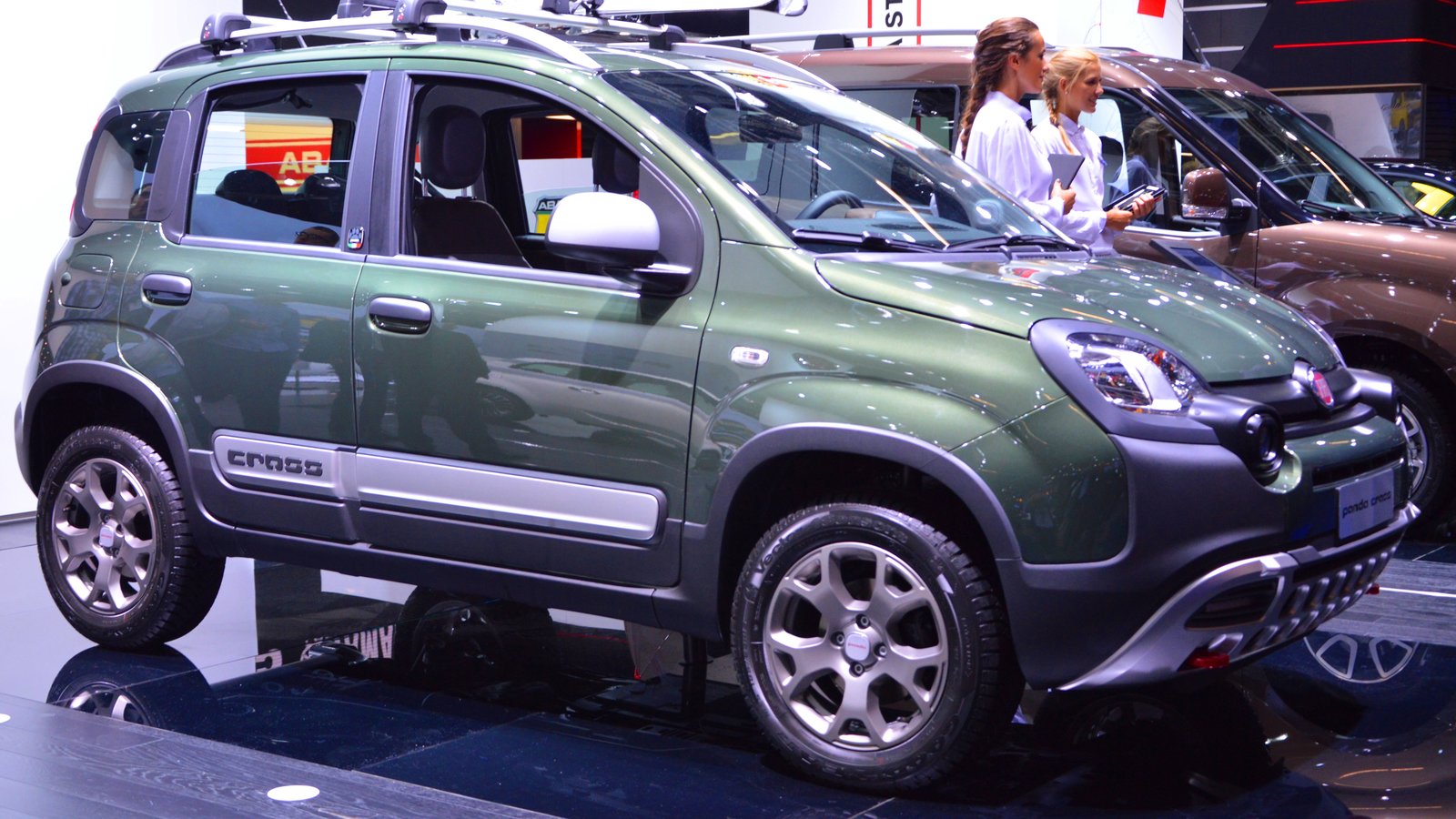
A Stellantis chip shortage is disrupting production of Fiat's best-selling small cars in Italy, and the carmaker warned on Monday that the problem could last through November and December. A missing electronic component from a supplier, used in the engine control unit of the N3 GSE petrol engine, is causing what Stellantis called "significant" disruption, according to Reuters. The models hit hardest are the Fiat Pandina, built at Pomigliano d'Arco near Naples, and the Fiat 500, built at Mirafiori in Turin. Stellantis said the shortage already weighed on October sales and could lead to further production halts at both plants, as well as temporary stoppages at Italian factories that make engine components, including Termoli, where the N3 GSE engine is assembled. The stakes go beyond two factories. The Pandina is Stellantis's volume anchor in its home market, and Europe is the group's weakest region financially. One missing part can idle a line that builds hundreds of cars per shift, a reminder that European carmaking still runs on lean supply chains with thin buffers. What is causing the Stellantis chip shortage? Stellantis has not named the supplier or the exact chip. In a statement reported by ANSA, the company said the reduced availability of a component destined for the N3 GSE engine control unit had caused production blocks on some Fiat models, with direct effects on Fiat's October volumes and market share. "Stellantis and Fiat are working with the highest priority to identify alternative solutions and gradually restore normal operations," the group said. An engine control unit is the small computer that manages fuel injection, ignition and emissions. It relies on microcontrollers that must be qualified for automotive use, which makes switching suppliers slow. Stellantis has not said whether the shortage is connected to the 2025 supply disruption at chipmaker Nexperia, which forced several European carmakers and suppliers to cut output. Mirafiori was already in a three-week production halt that began in mid-October because of a separate component shortage. Unions have also pointed to weak demand for the Fiat 500 as a factor behind that stoppage. How big is the hit to Fiat production in Italy? Pomigliano is the group's main Panda plant. It built 103,500 vehicles in the first nine months of 2026, including about 92,000 Pandas, and is scheduled to produce 405 Pandas per shift, according to a third-quarter report by the FIM-CISL metalworkers' union. The disruption arrives during a recovery. FIM-CISL data show Stellantis built 340,745 vehicles in Italy in the first nine months, up 28.3% from a weak 2025, and the union expects about 450,000 for the full year. Mirafiori output rose 151% to 46,323 units on the new hybrid 500, but the union already expected about 60,000 for 2026, below target, after material shortages and softer orders. Italian registration data released on Monday by industry group UNRAE showed the early effects. The Italian market grew 4.8% in October to 131,921 cars, while Stellantis registrations fell 9.4% to 30,334, cutting its share to 23%. Fiat itself rose 6.1% to 12,310 units, and the Panda remained Italy's top-selling car, ahead of the Dacia Sandero, with 93,568 registrations so far this year. The Mirafiori complex in Turin, where Fiat builds the 500. Why is automotive chip supply tight again? The Fiat problem lands as European factories report broader supply strain. S&P Global's final euro zone manufacturing PMI for October, published Monday, slipped to 52.7 from 52.9. Reuters reported that supplier delivery times lengthened to their worst since June and that manufacturers stockpiled raw materials for the first time since December 2022. Chips are part of that squeeze. Demand for AI data center hardware has pulled memory and other semiconductor capacity toward higher-margin customers, a trend that has lifted chipmakers such as SK hynix. In its third-quarter results on Oct. 28, Stellantis flagged incremental cost headwinds from memory chips in the fourth quarter. Engine control units depend on small, low-cost microcontrollers that are slow to requalify from a new supplier. What does it mean for Stellantis results? Stellantis reported third-quarter net revenue of €37.6 billion, up 1%, and an adjusted operating margin of 0.7%. Every region except Enlarged Europe posted a positive margin, and industrial free cash flow was negative €4.0 billion. It reaffirmed 2026 guidance and said it expects higher shipments in the fourth quarter than in the third, a goal that now has to absorb lost Italian output. Investors were not alarmed on Monday. Stellantis shares rose about 2% in Milan, and the affected models are a small slice of a group that shipped 1.29 million vehicles in the third quarter. The risk is timing. The shortage eats into the year-end delivery push while European rivals such as Volkswagen fight for margin in the same market. Chinese brands are also gaining fast in Italy, where BYD registrations rose 220.7% in October. The next test is whether Stellantis can qualify an alternative component before December. Management will update investors at its FaSTLAne 2030 and Maserati Day event in Modena on Dec. 10, when the size of the fourth-quarter shortfall should be clearer. Quick facts What is short: an electronic component for the engine control unit of Stellantis's N3 GSE engine, from an unnamed supplier. Plants at risk: Pomigliano d'Arco (Fiat Pandina), Mirafiori (Fiat 500) and engine-component sites including Termoli. How long: Stellantis said effects could continue through November and December 2026. October in Italy: Stellantis registrations fell 9.4% to 30,334 while the overall market rose 4.8%. Sources: company statements, union production data, industry registration figures and Reuters reporting.